


profile
map
technical info
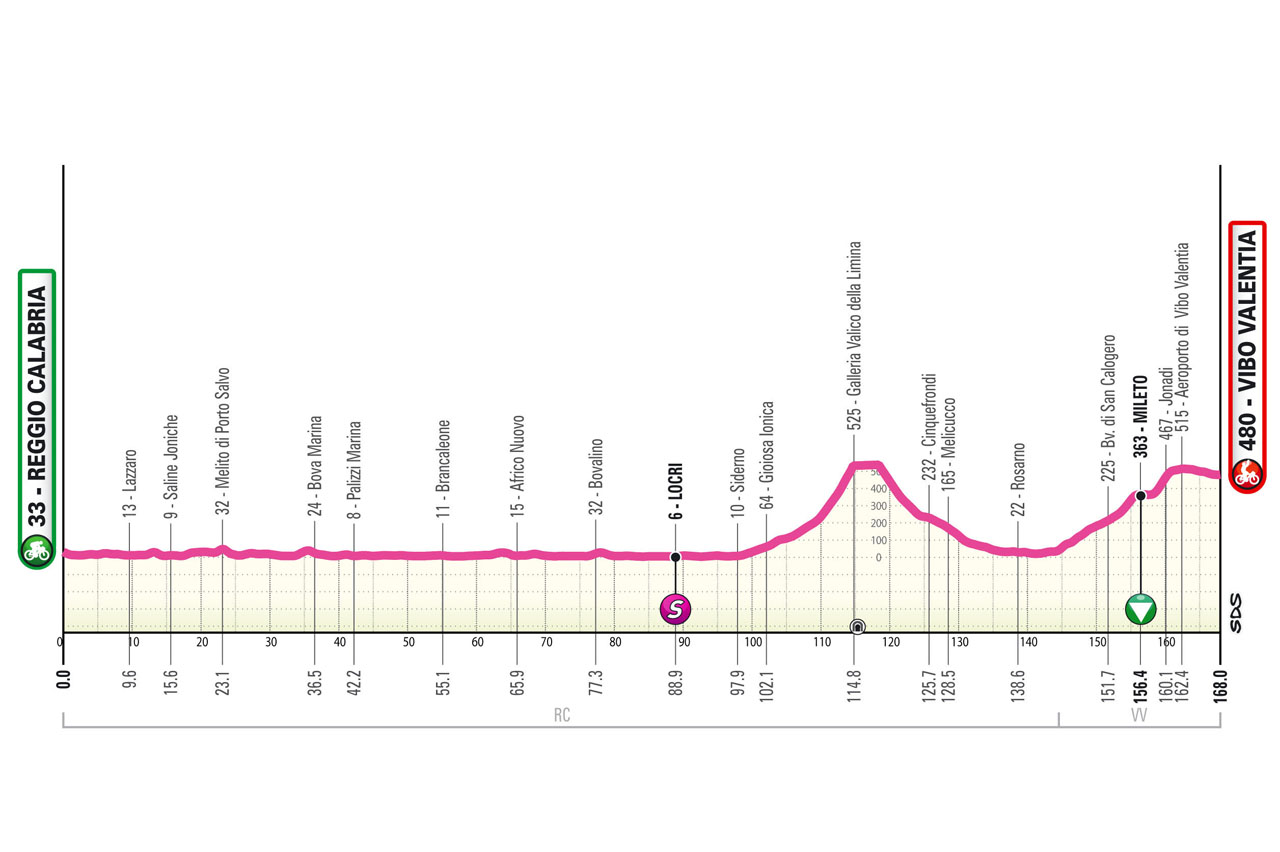
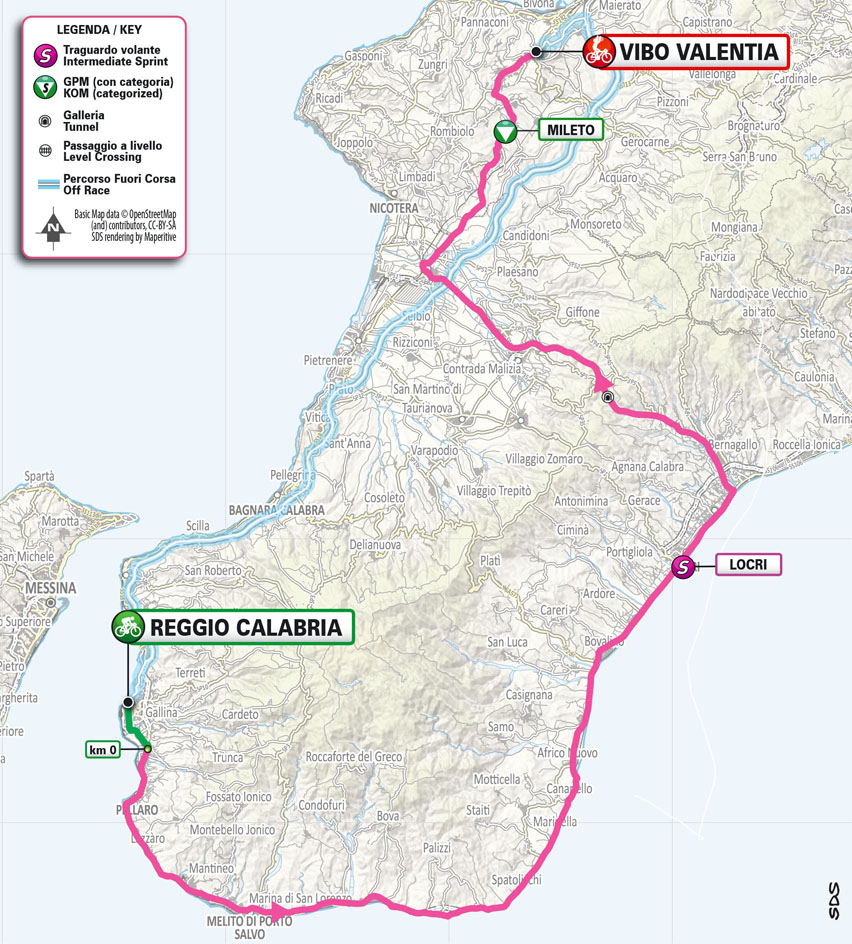
Rolling stage starting in Reggio Calabria, with an opening transfer along the Ionian coast to Locri. The riders then tackle the Valico della Limina, the day’s main difficulty, including a passage through the tunnel at the summit, before crossing the Plain of Gioia Tauro. The finale is undulating through the province of Vibo Valentia, with the route passing through Mileto before the finish in Vibo Valentia.
FINAL KILOMETERS
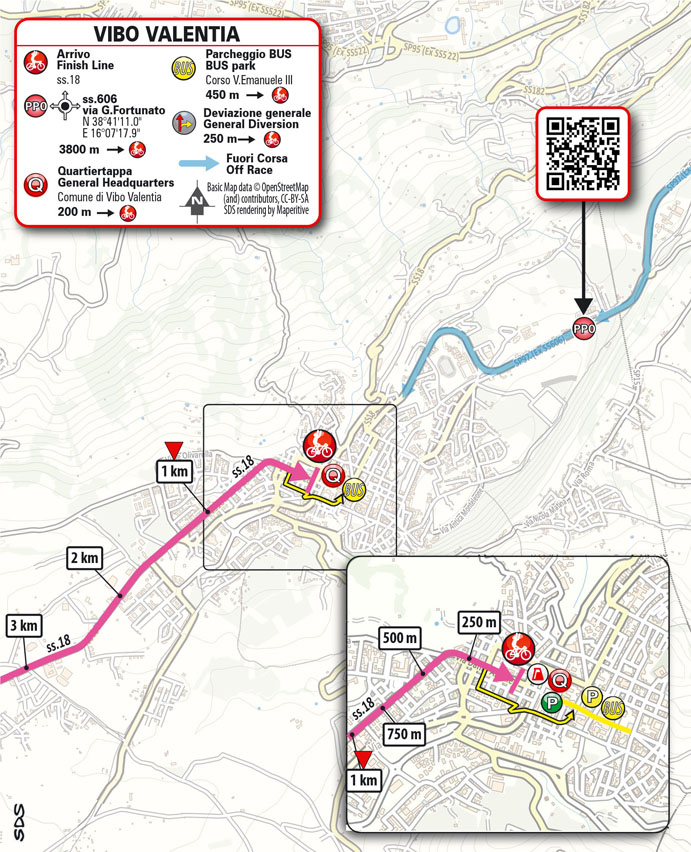
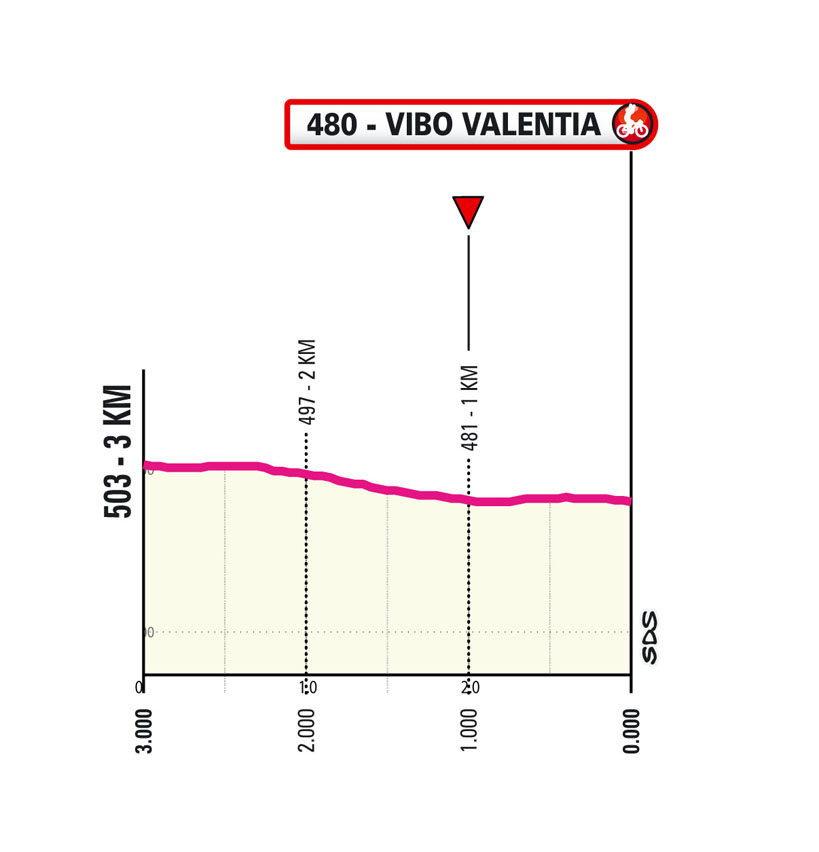
The road gently descends all the way to the final kilometre, on wide and predominantly straight roads. The stage concludes with a 400-metre finishing straight.
start / finish
final kilometres
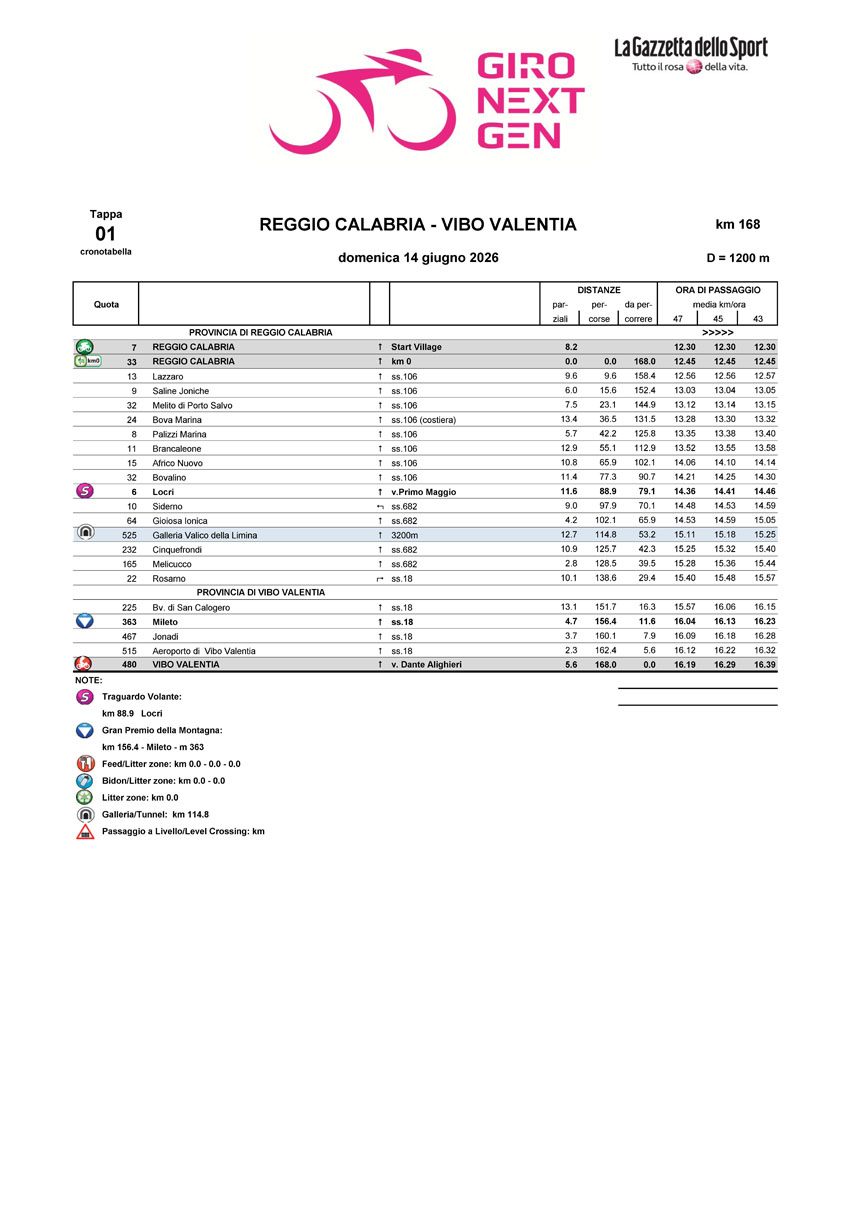
itinerary timetable
tourist info
Host city:
Reggio Calabria
Overview
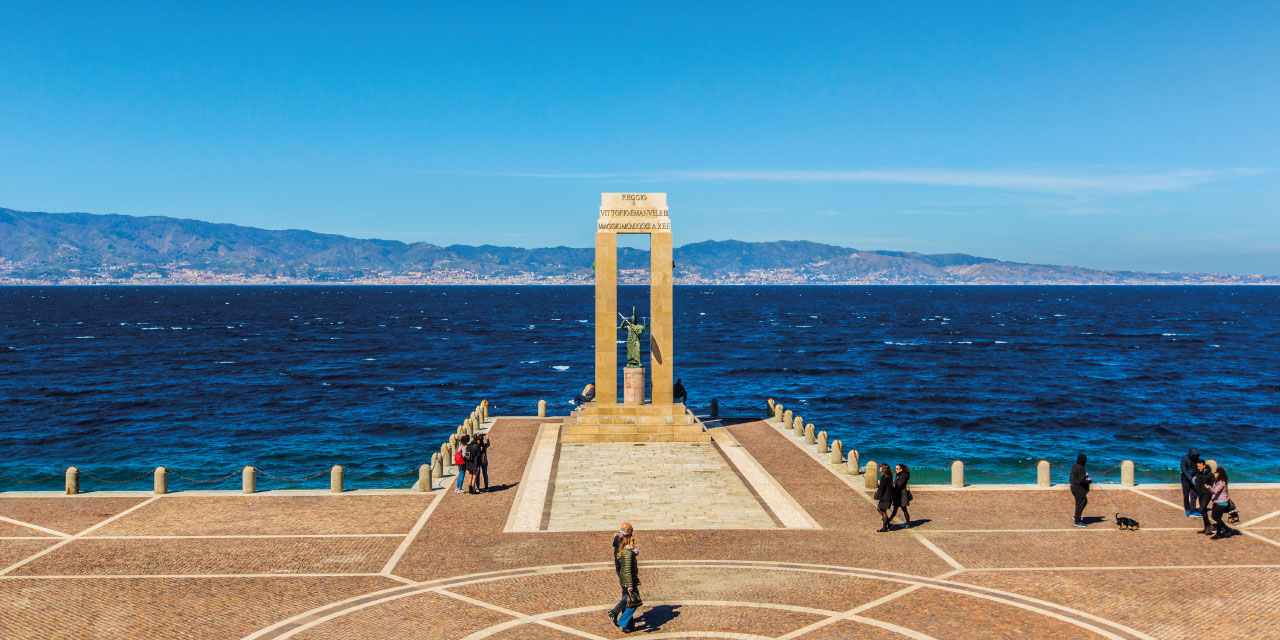
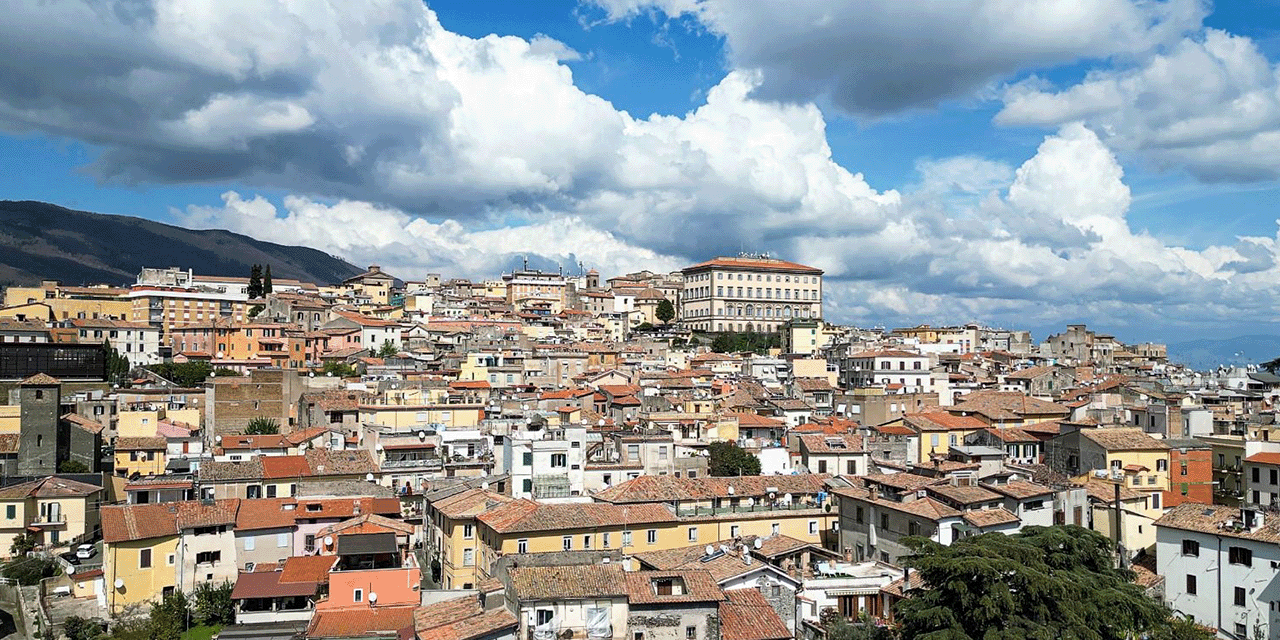
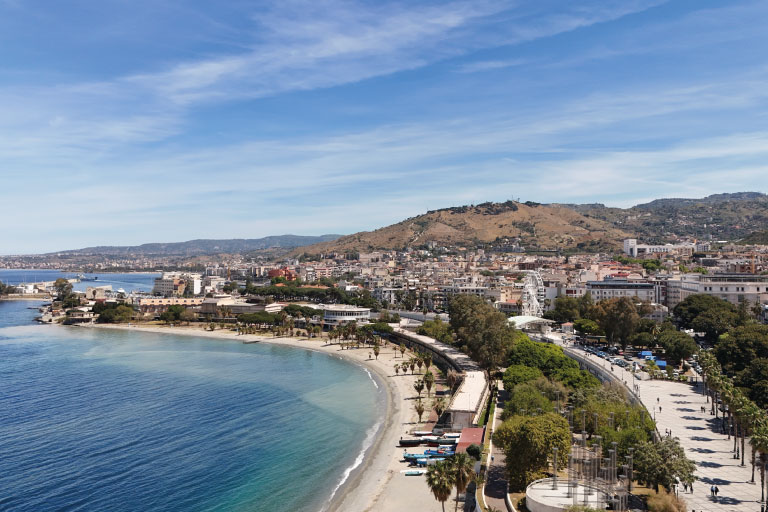
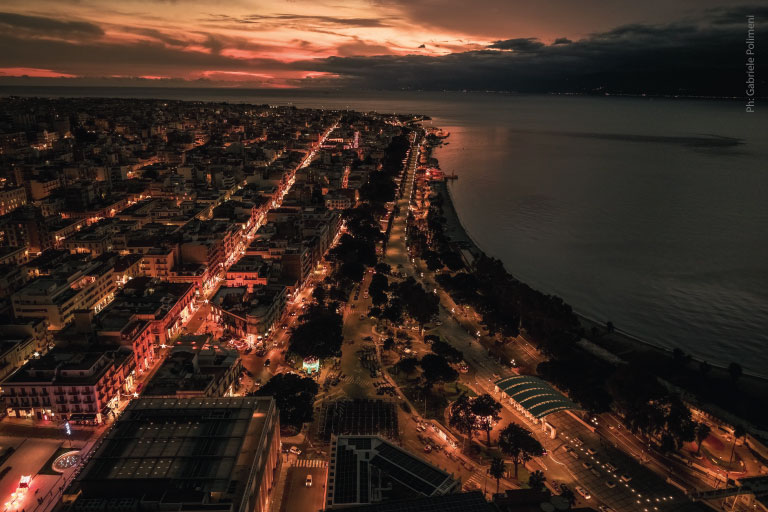
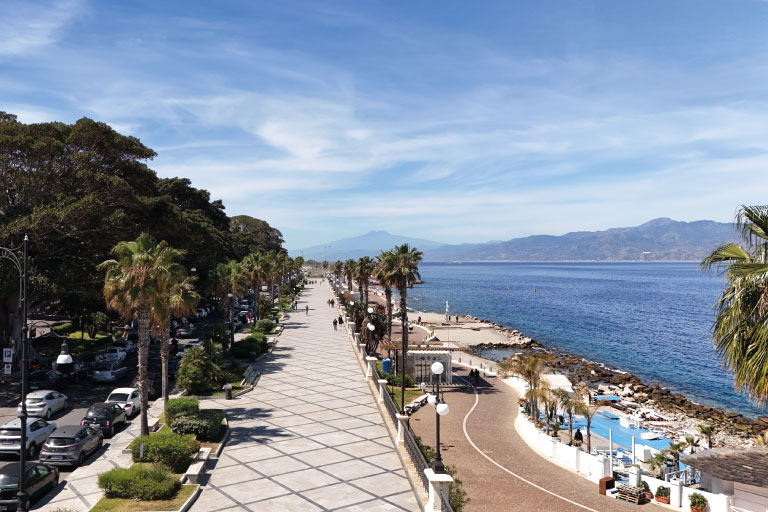
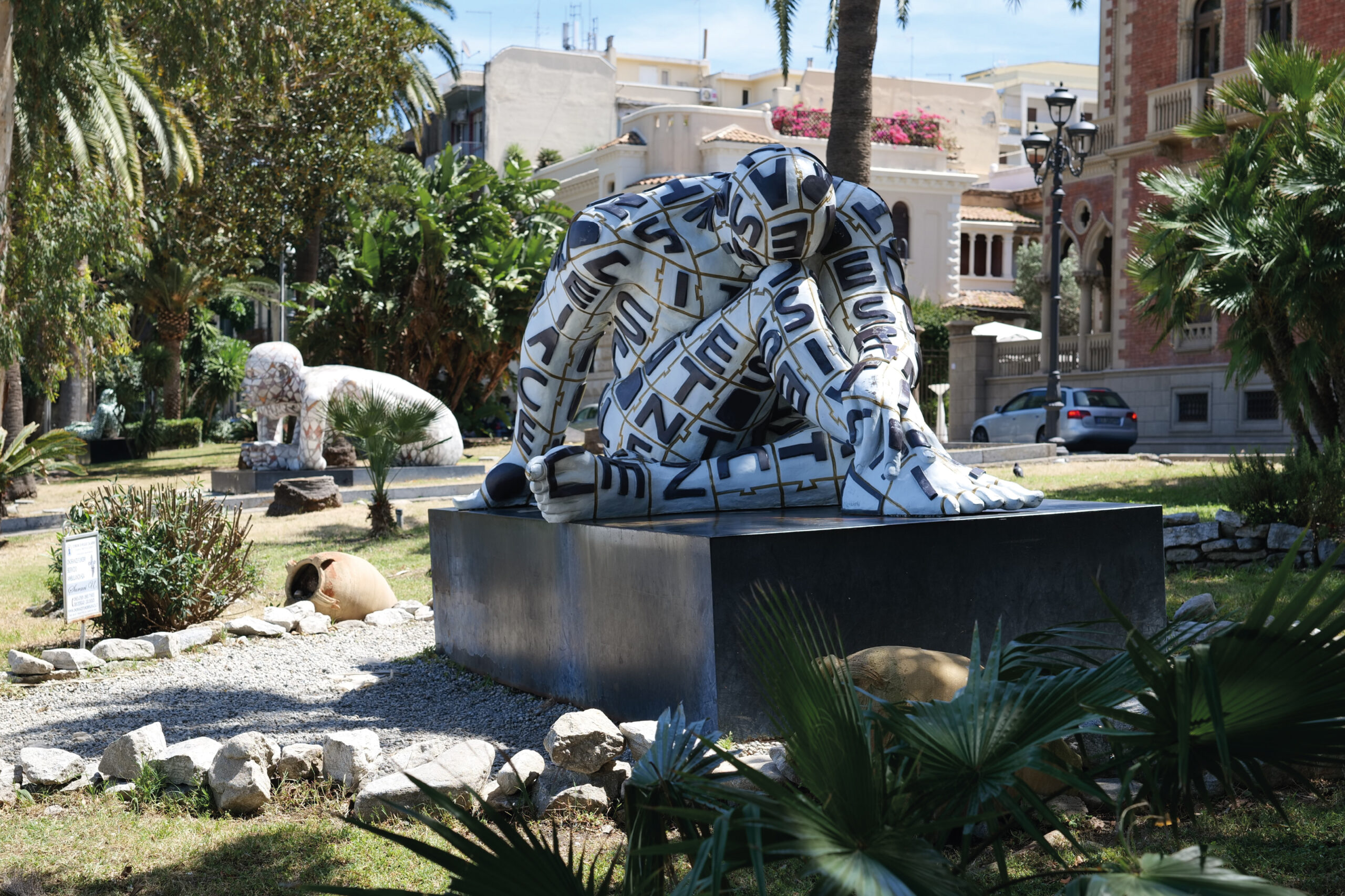
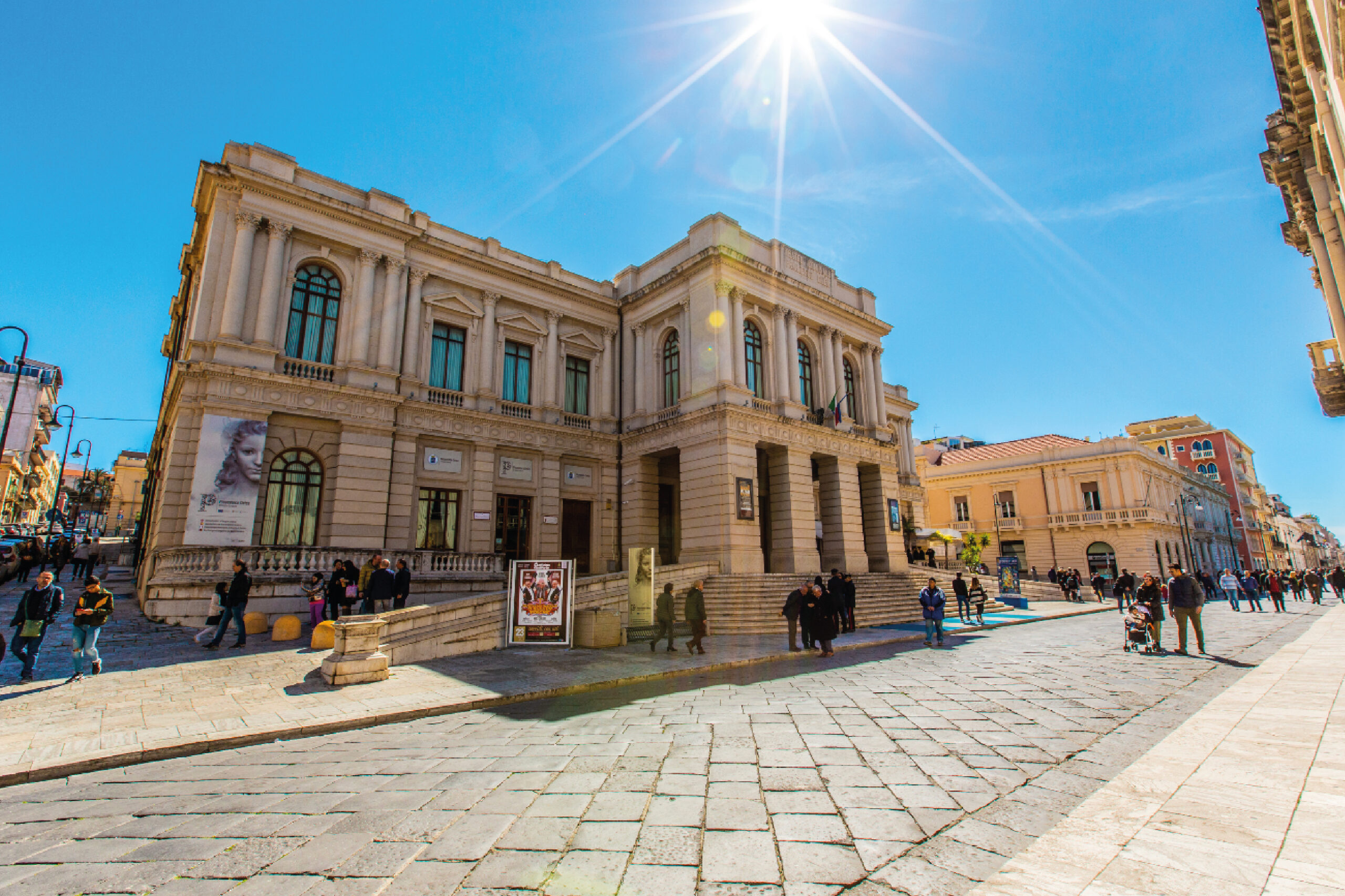
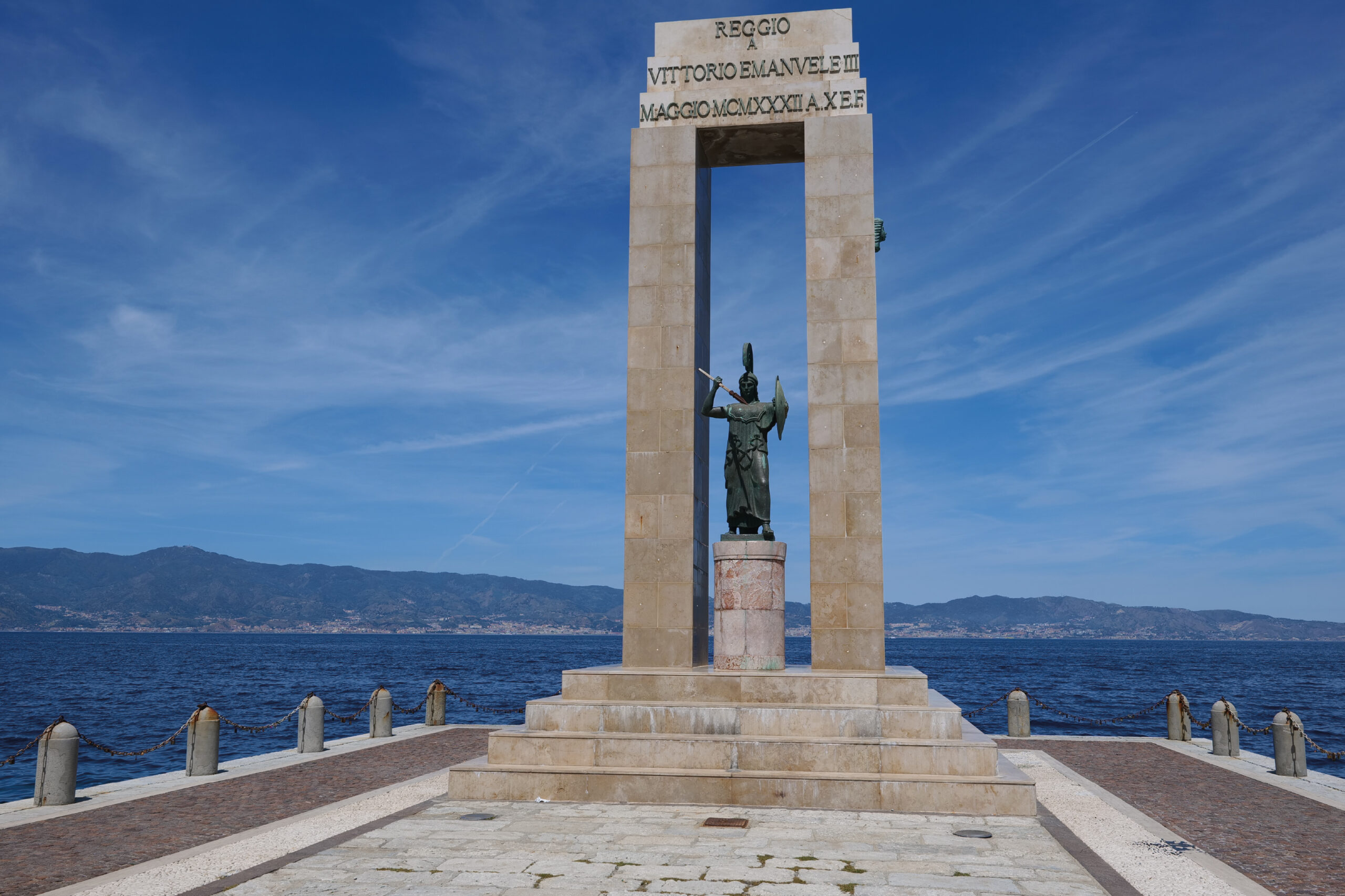
Overlooking the Strait of Messina, Reggio Calabria is one of the oldest cities of Magna Graecia. Famous for the Riace Bronzes, the National Archaeological Museum and the Falcomatà waterfront, described by Gabriele D’Annunzio as “Italy’s most beautiful kilometre”, it combines history, culture, sea and traditions. As the gateway to the Aspromonte and southern Calabria, it boasts breathtaking scenery, a welcoming atmosphere, and a rich artistic heritage.
Food
Swordfish alla ghiotta – A traditional Strait of Messina recipe featuring swordfish cooked with tomatoes, olives, capers and Mediterranean herbs.
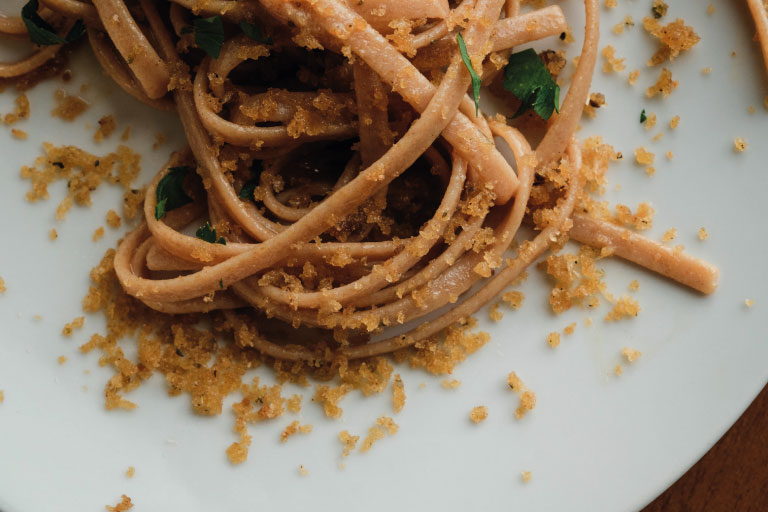
Stroncatura -Made from bran and milling by-products, this pasta is rich in fiber and flavor. It is a traditional specialty of the Piana di Gioia Tauro.
Stocco alla mammolese – Dried codfish cooked with potatoes, olives and tomato following a traditional local recipe.
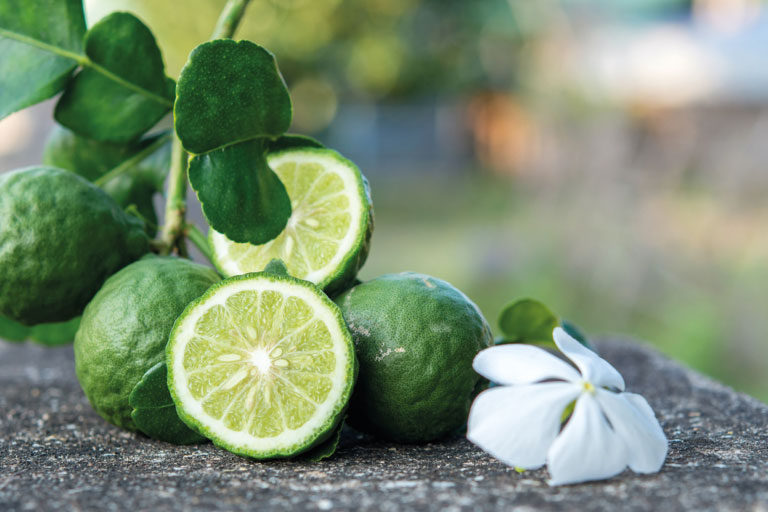
Bergamot gelato – Refreshing ice cream flavoured with Calabria’s distinctive bergamot.
Drinks
Bergamot is the iconic symbol of the Reggio Calabria area and is featured in juices, liqueurs and distilled spirits with a distinctive and unmistakable aroma. Local wine production includes labels from the Grecanic Area and the Costa Viola, renowned for their Mediterranean character and strong connection to the land. Traditional artisanal bitters made from aromatic herbs harvested in the Aspromonte mountains are also widely appreciated.
Points of Interest
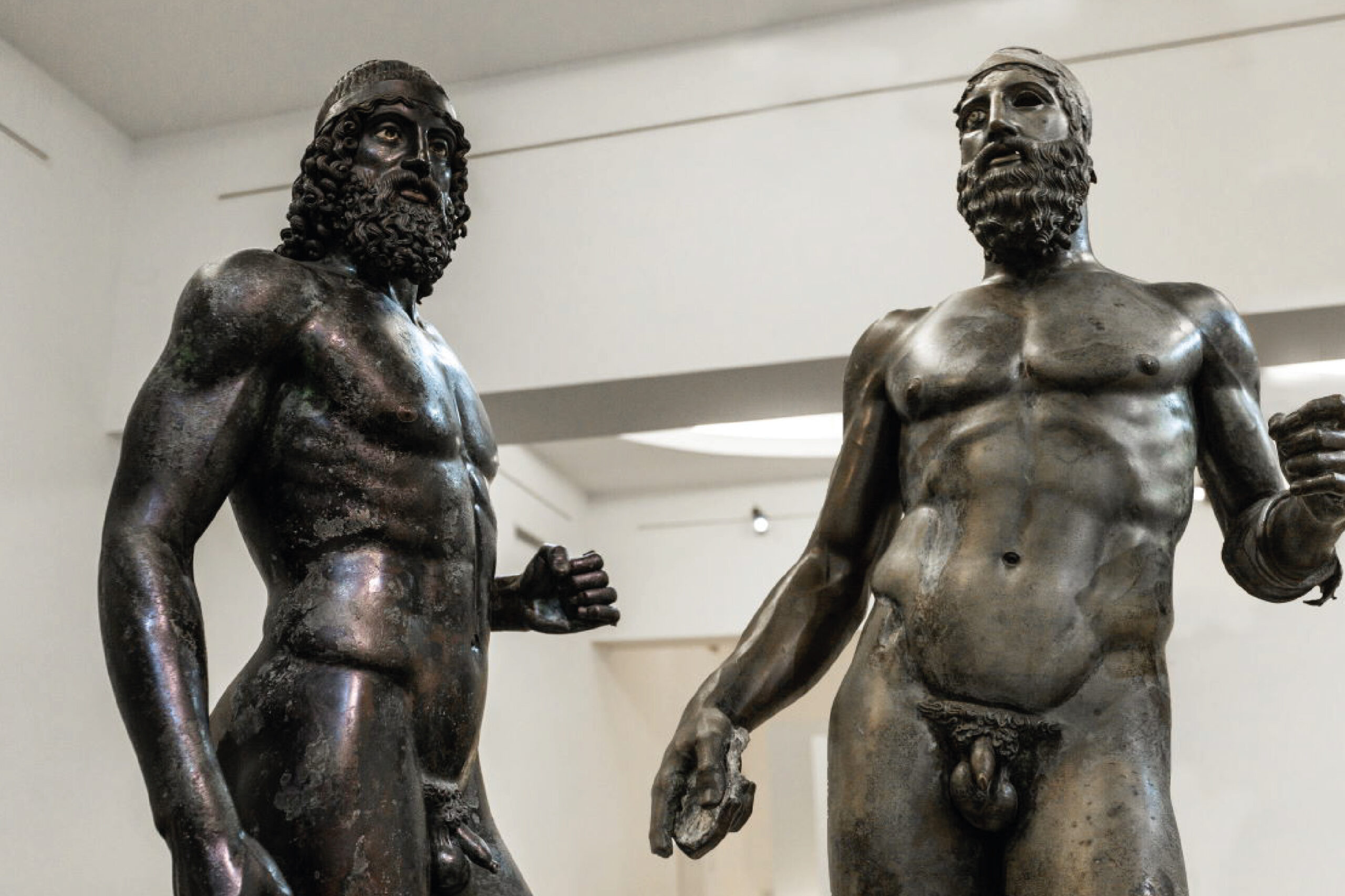
National Archaeological Museum of Reggio Calabria – Home to the world-famous Riace Bronzes, masterpieces of 5th-century BC Greek art, as well as one of the most important archaeological collections of Magna Graecia. The museum offers a journey through more than two thousand years of Mediterranean history and is an essential stop for understanding Calabria’s cultural heritage.
Falcomatà Waterfront – Considered one of the most beautiful seafront promenades in Italy, it stretches along the Strait of Messina among palm trees, magnolias and panoramic views of Sicily and Mount Etna. It is the city’s most iconic landmark, perfect for relaxing walks and spectacular sunsets.
Riace Bronzes – These two ancient Greek statues, discovered in the waters off Riace, are among the most remarkable archaeological finds of the twentieth century. An international symbol of Calabria, they attract visitors from all over the world.
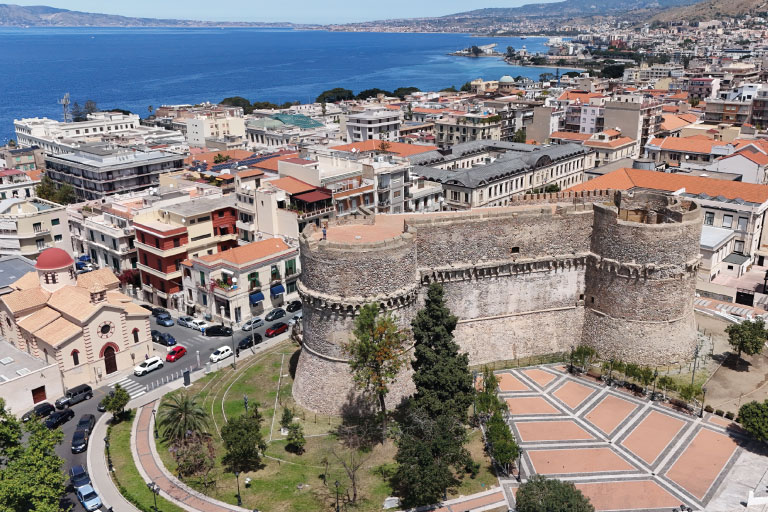
Aragonese Castle – A medieval fortress overlooking the historic centre of Reggio Calabria. Its towers and exhibition spaces recount the city’s history from the Middle Ages to the modern era, offering visitors a fascinating insight into its past.
Arena dello Stretto – An open-air theatre overlooking the sea and inspired by the architectural models of ancient Greece. It hosts cultural events throughout the year and provides a privileged view of the Strait of Messina.
Vibo Valentia
Overview
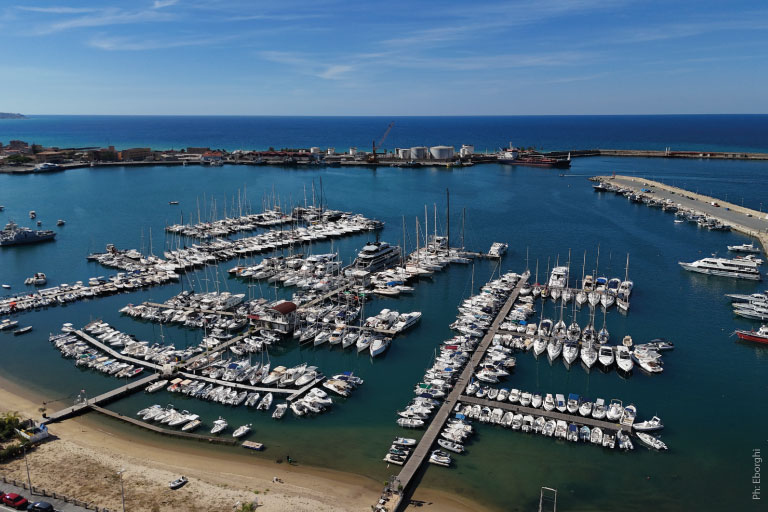
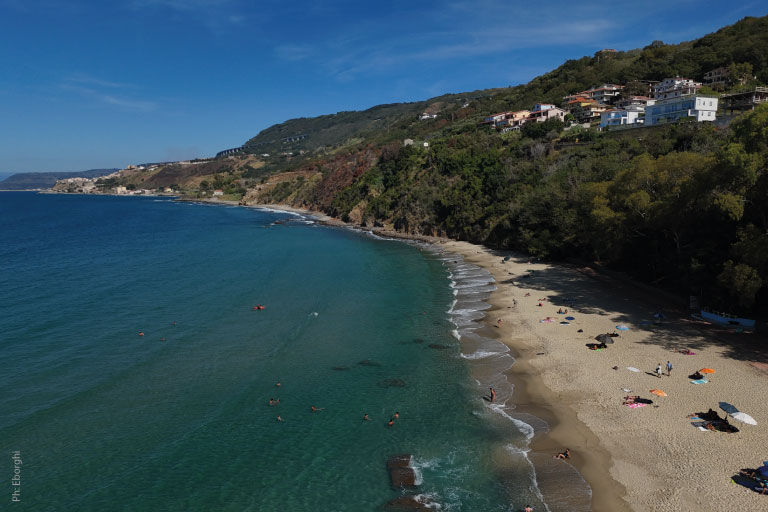
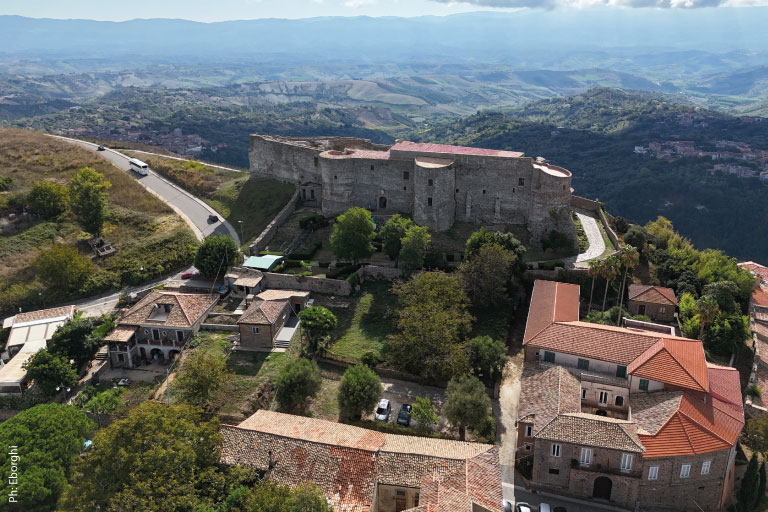
Perched on a hill overlooking the Coast of the Gods, Vibo Valentia traces its origins to ancient Hipponion, a thriving Magna Graecia settlement. Its historic centre, Norman-Swabian Castle and Archaeological Museum reflect a rich heritage. Nearby, visitors can discover some of the Mediterranean’s most beautiful beaches, combining crystal-clear waters, authentic traditions and remarkable landscapes.
Food
Fileja pasta: Handmade pasta shaped with a traditional metal rod and served with rich meat or tomato sauces.
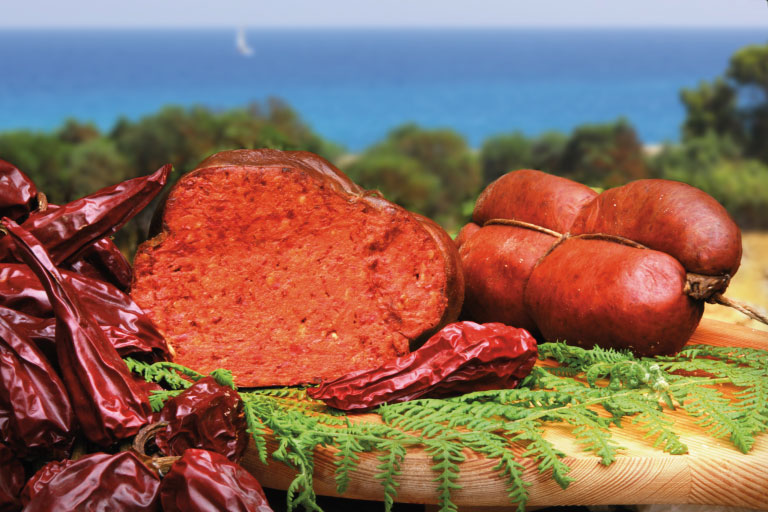
Nduja of Spilinga: A famous spicy spreadable pork salami, one of Calabria’s best-known
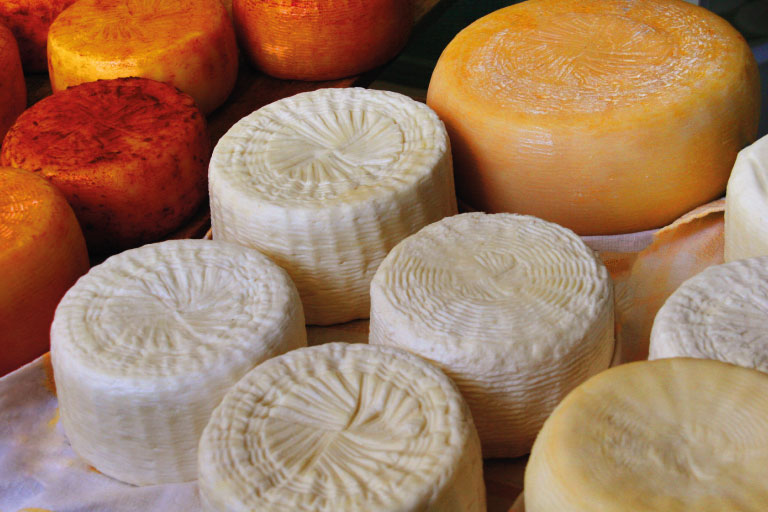
Pecorino Monte Poro DOP: A sheep’s milk cheese known for its rich flavour and aroma.
Tartufo of Pizzo: Artisan ice cream dessert with a soft chocolate or hazelnut centre.
Drinks
The Vibo Valentia area boasts a well-established winemaking tradition rooted in the hills overlooking the Tyrrhenian Sea, further enriched by the revival of several ancient native grape varieties. Fresh and aromatic white wines, together with well-structured reds, perfectly complement the local cuisine. Traditional artisanal liqueurs made from aromatic herbs, citrus fruits and figs are also widely enjoyed, alongside products linked to the rural heritage of the Monte Poro area.
Points of Interest
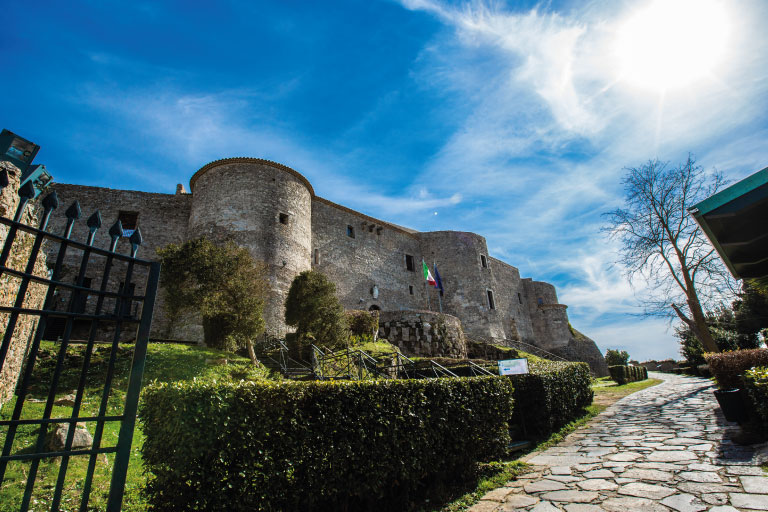
Norman-Swabian Castle – An imposing fortress built during the Norman period and later expanded by the Swabians. Dominating the city from above, it houses the “Vito Capialbi” National Archaeological Museum, home to significant artefacts from Magna Graecia. Its walls offer sweeping views of the Tyrrhenian coast and the Calabrian hinterland.
“Vito Capialbi” National Archaeological Museum – Located within the castle, the museum preserves artefacts from ancient Hipponion and the surrounding area. Among its most remarkable treasures are the Orphic gold tablets, ceramics and archaeological finds that tell the millennia-old history of the region.
Hipponion Archaeological Park – This archaeological site preserves the remains of the ancient Greek colony founded in the 7th century BC. Its impressive defensive walls are among the best-preserved examples of Magna Graecia heritage in Calabria.
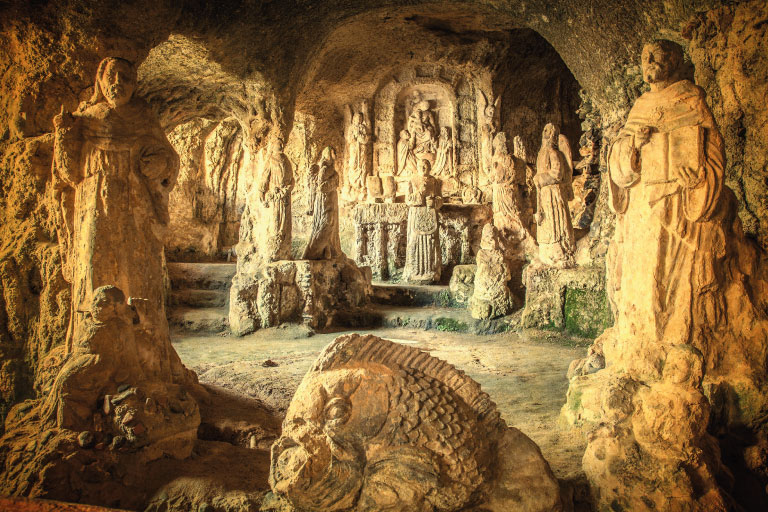
Piedigrotta Church – An extraordinary sanctuary carved directly into the rock just a few metres from the sea. Its sculptures, sculpted into the tuff stone itself, create a unique setting where art, faith and the coastal landscape come.