





learn more
technical info
profile
map
technical info
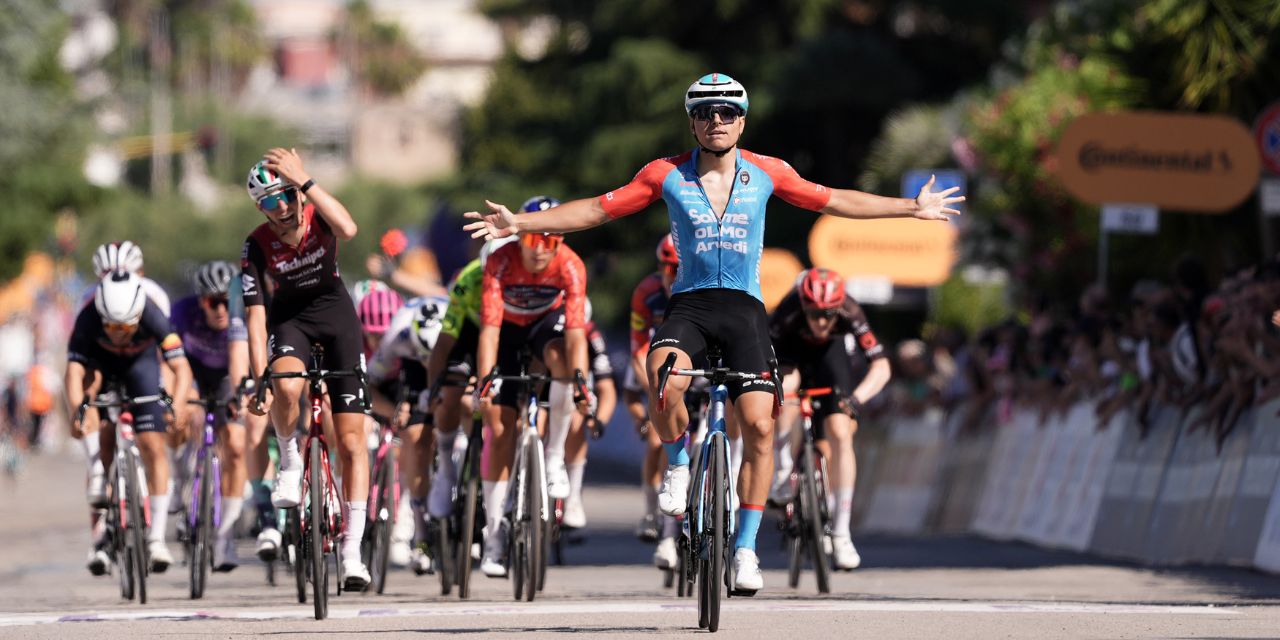
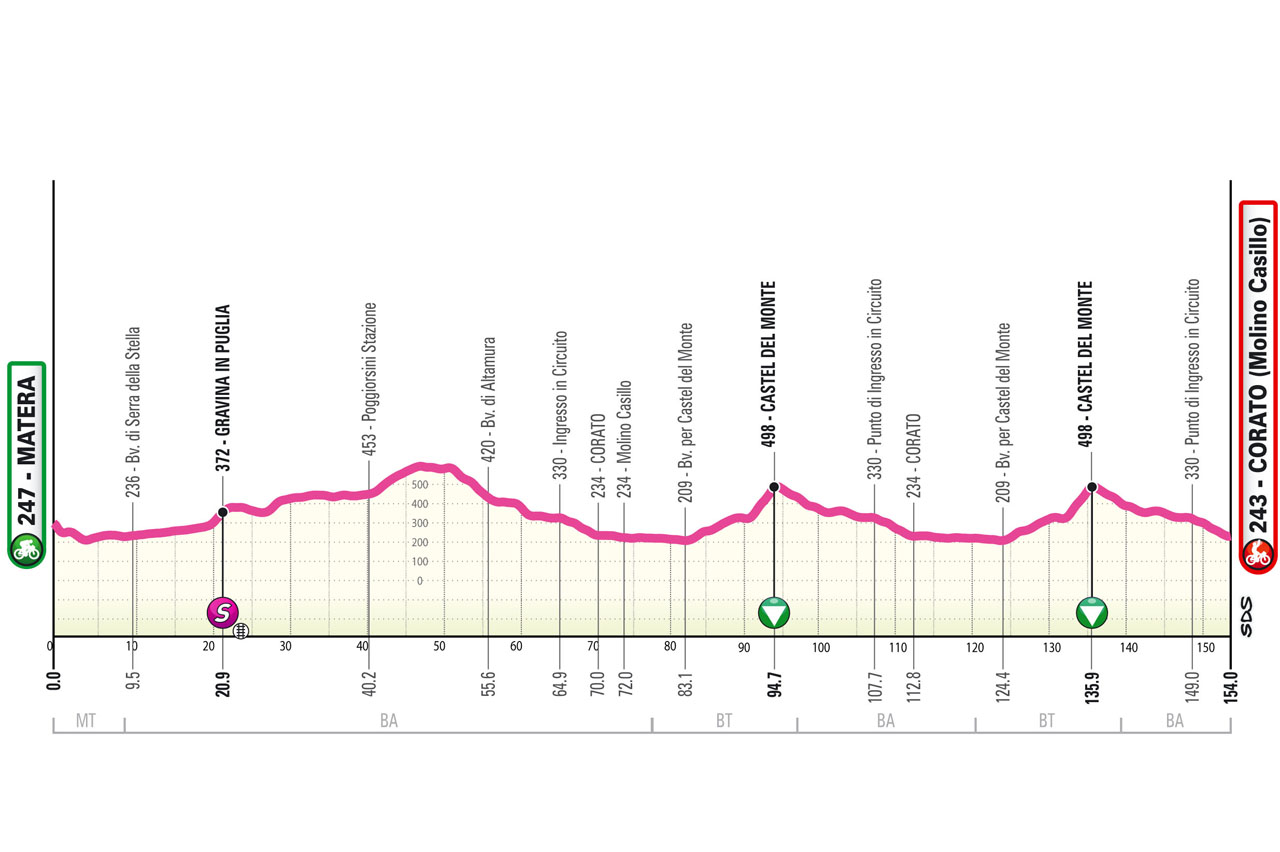
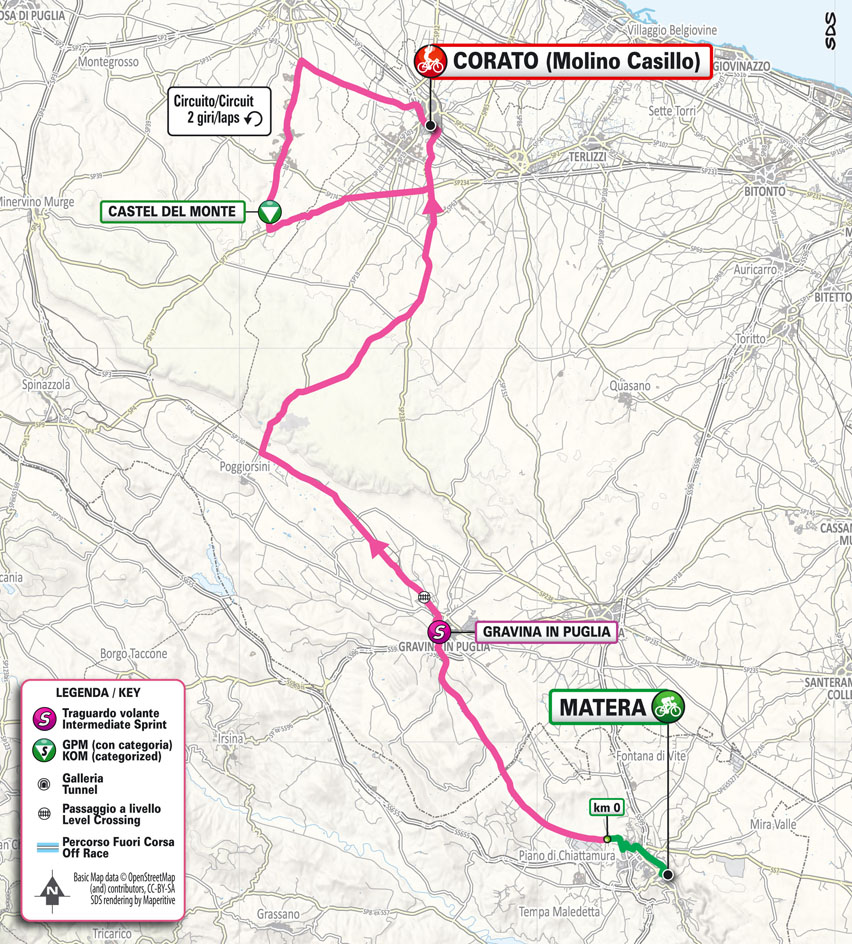
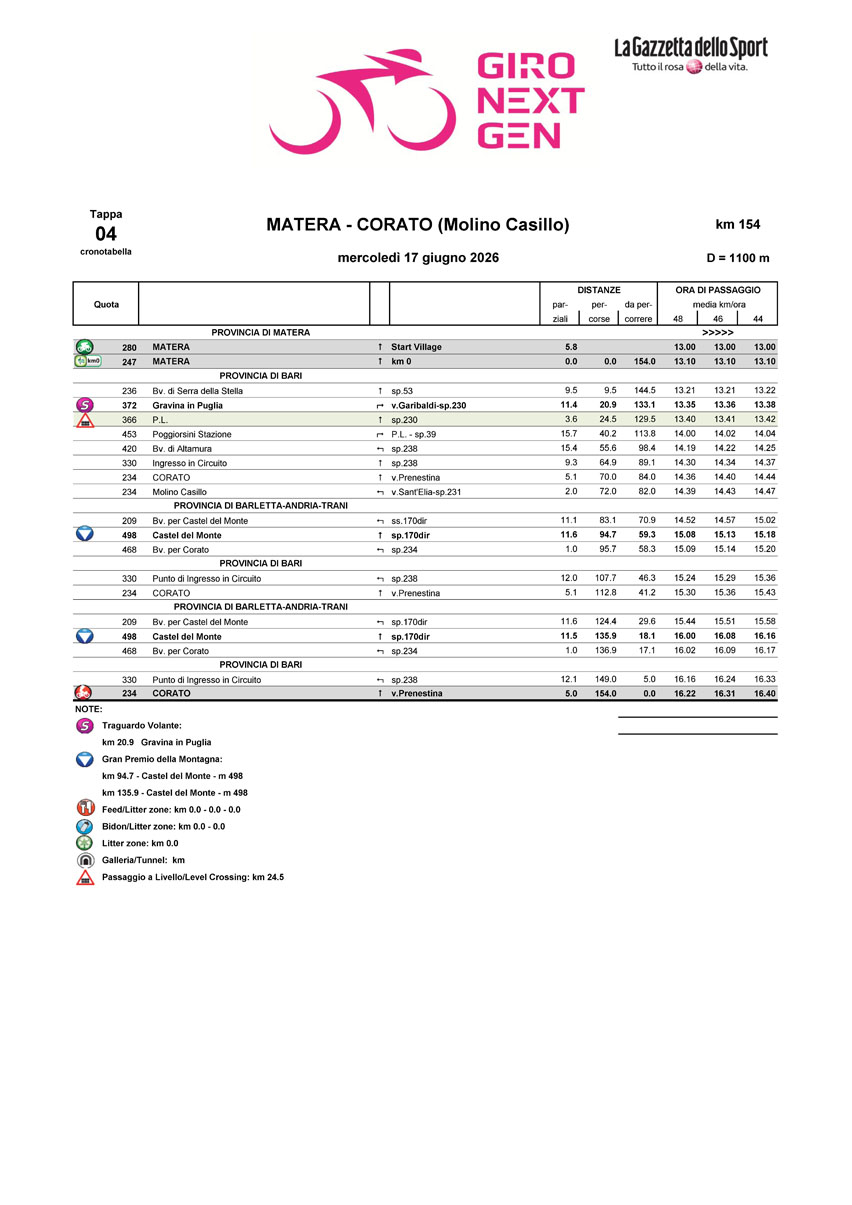
A lively stage in its opening part across the Murgia Plateau. After passing through Gravina in Puglia, the route heads towards Corato, where the riders tackle a circuit featuring two ascents to Castel del Monte. Following the final descent, the stage concludes with a fast run to the finish.
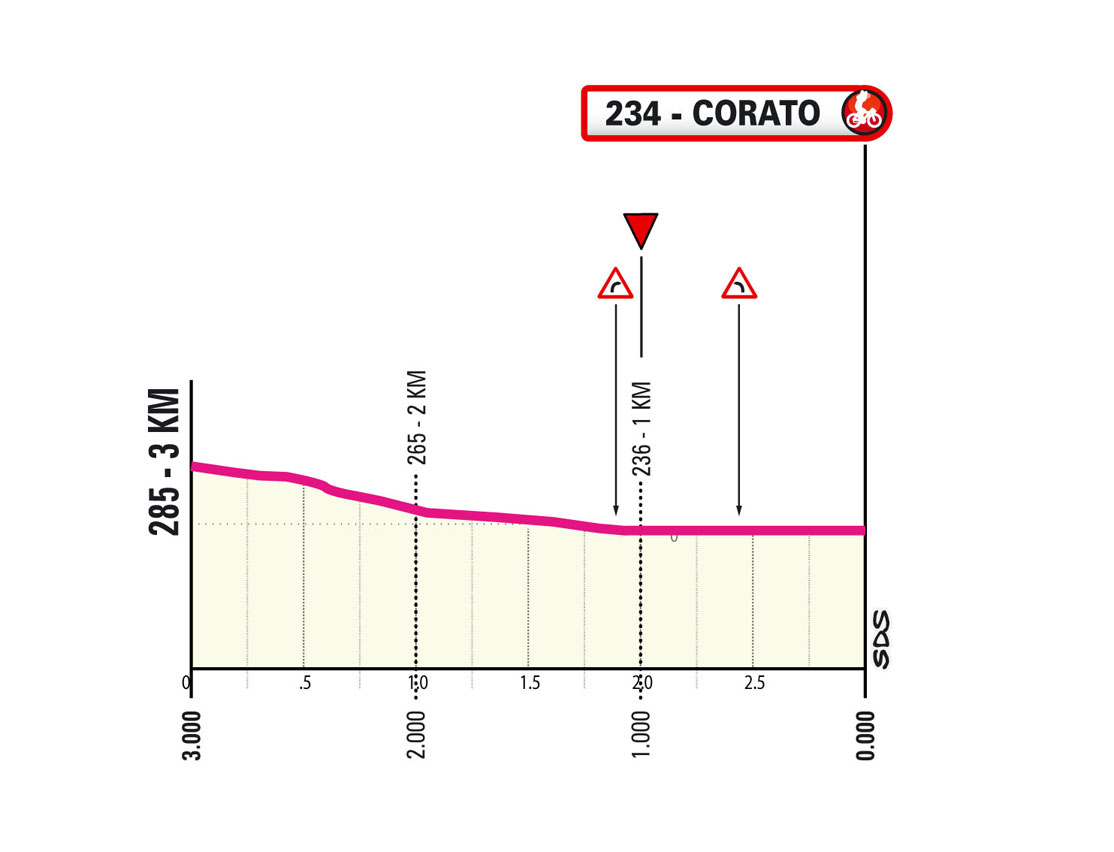
FINAL KILOMETERS
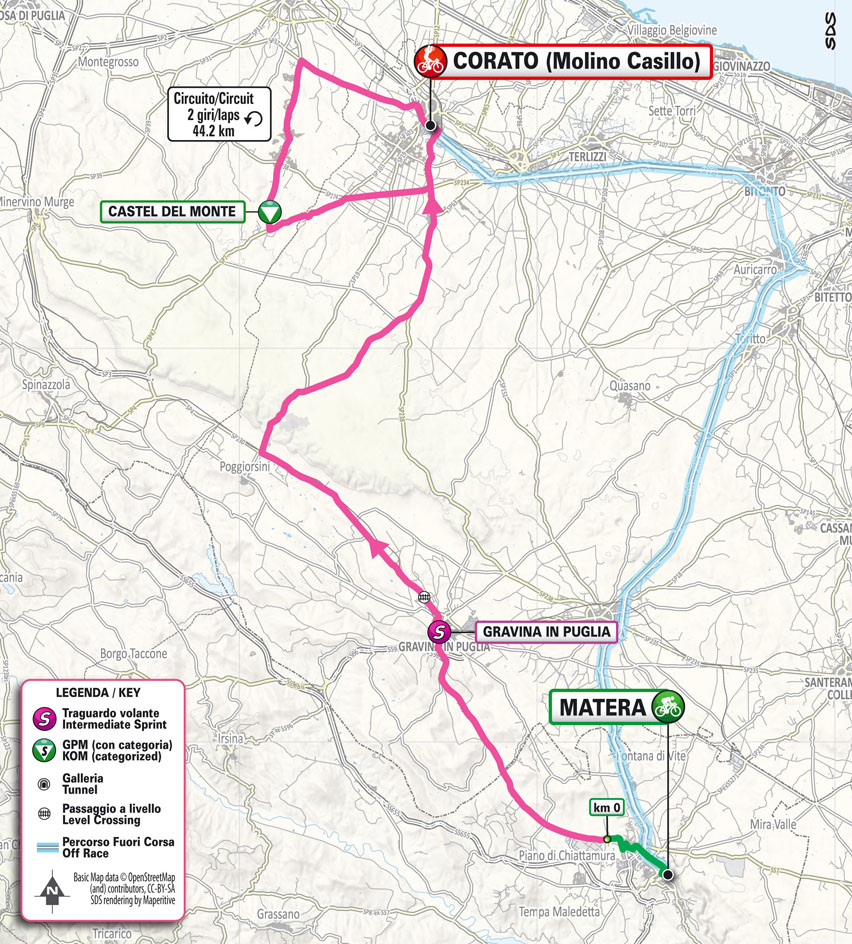
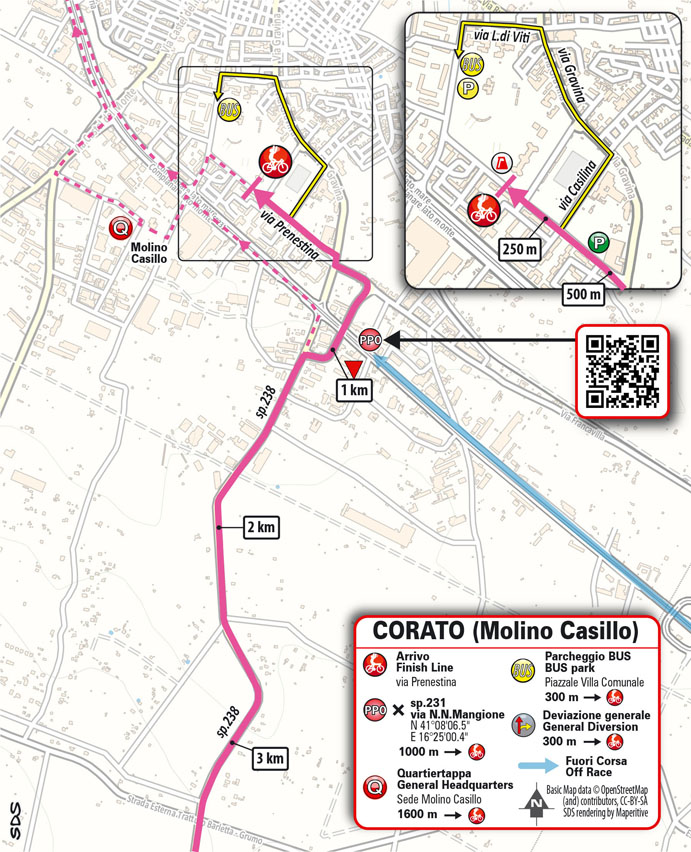
The closing kilometres are flat, on predominantly straight roads interrupted by a few sharp bends. The stage ends with a 500-metre finishing straight.
start / finish
final kilometres
itinerary timetable
tourist info
Host city:
Matera
Overview
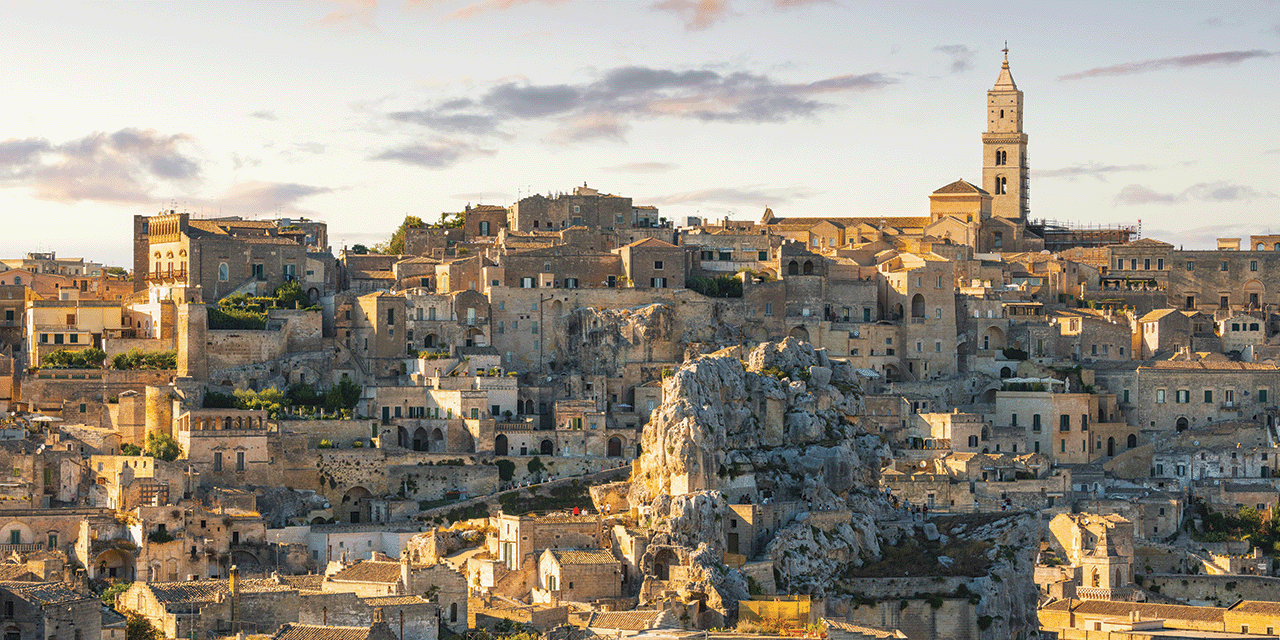
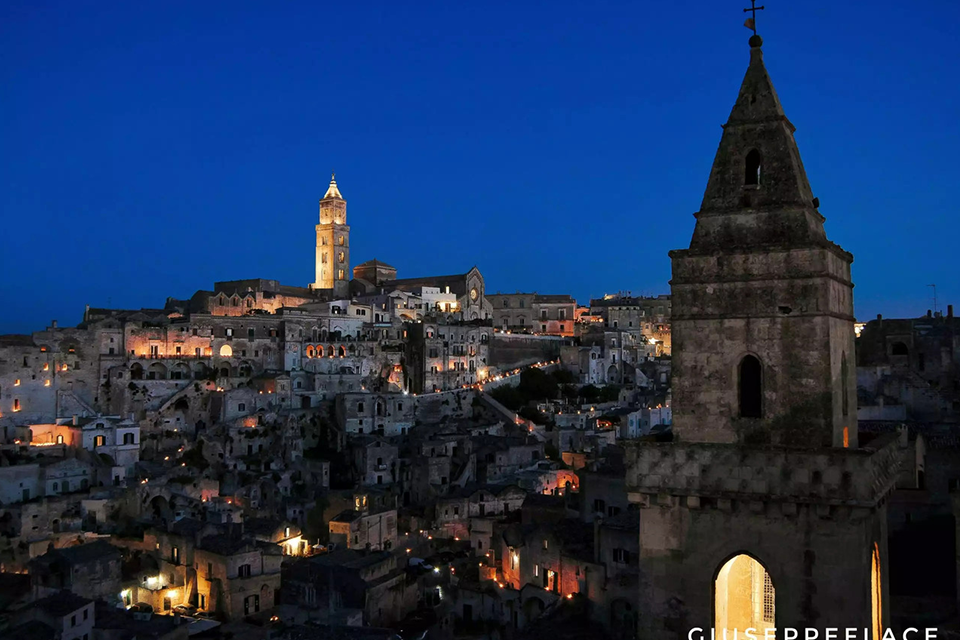
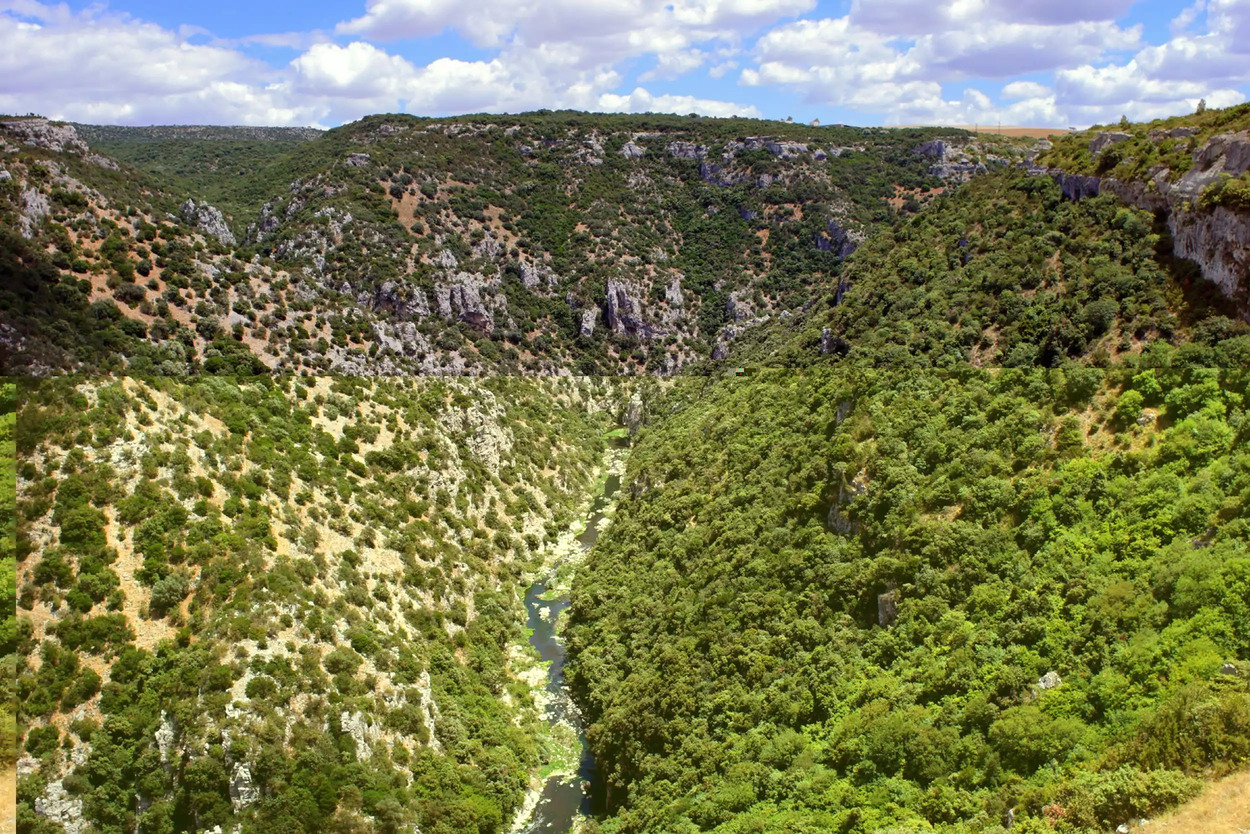
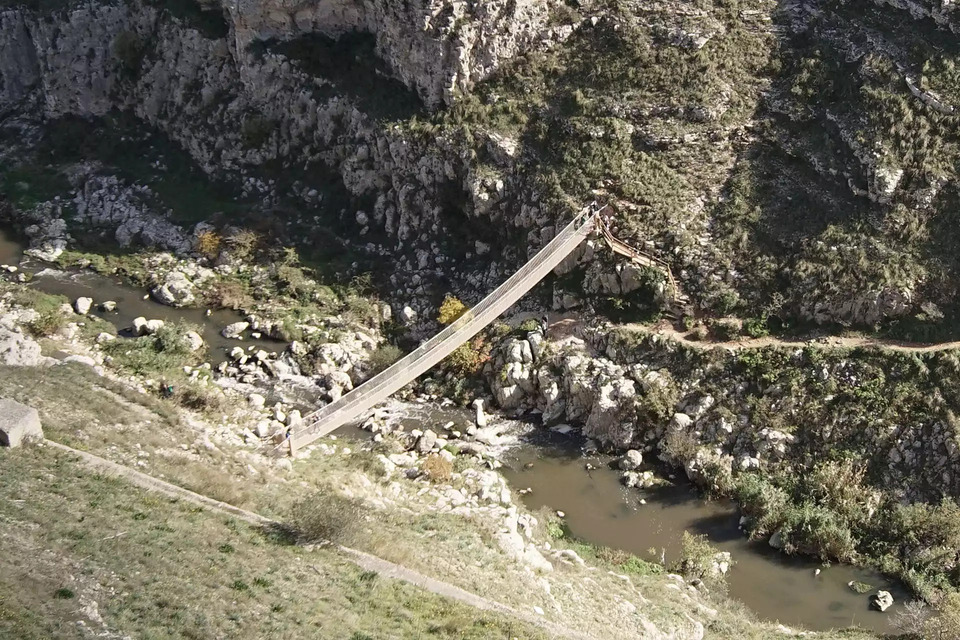
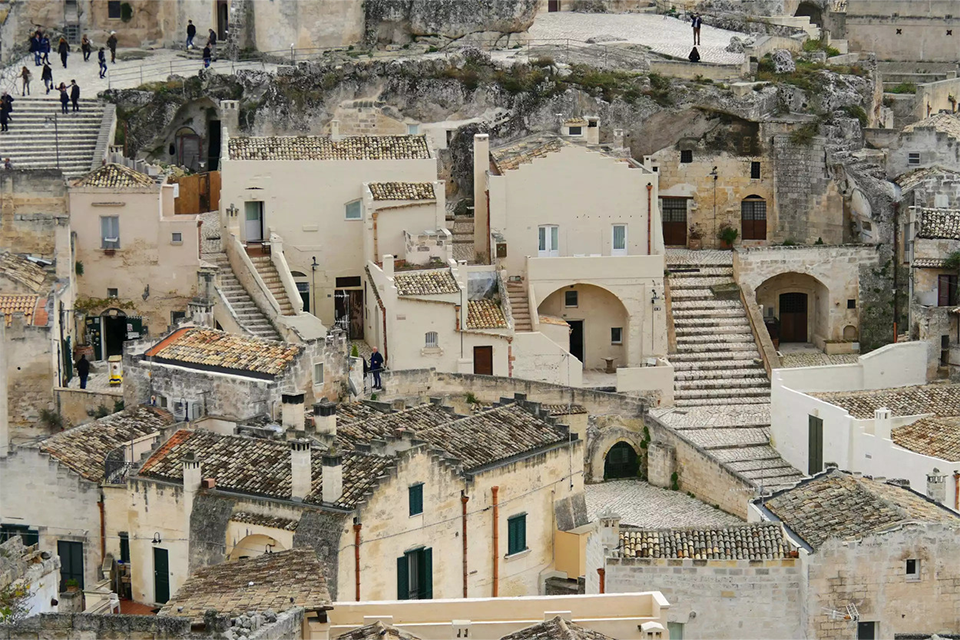
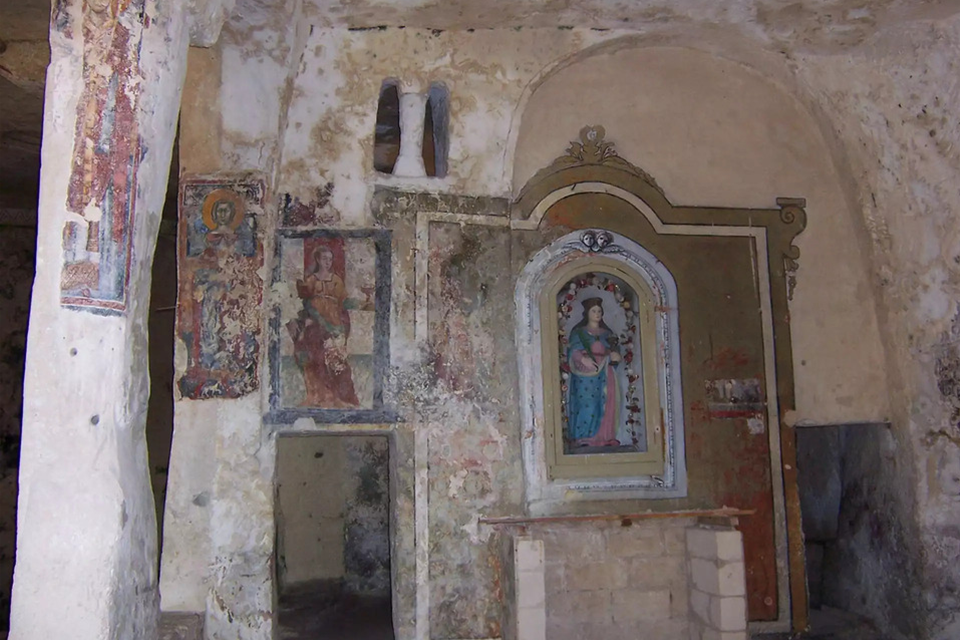
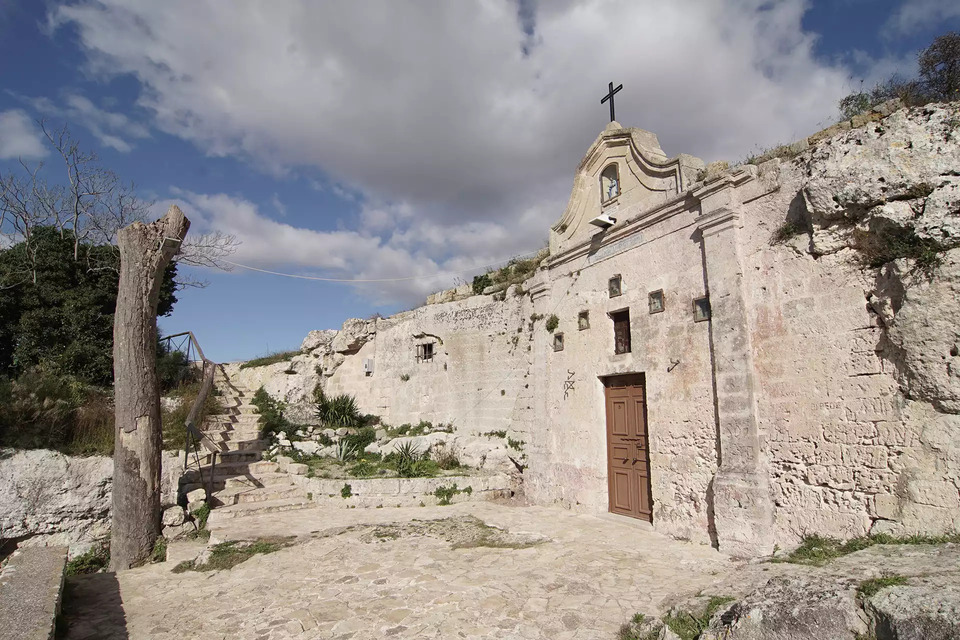
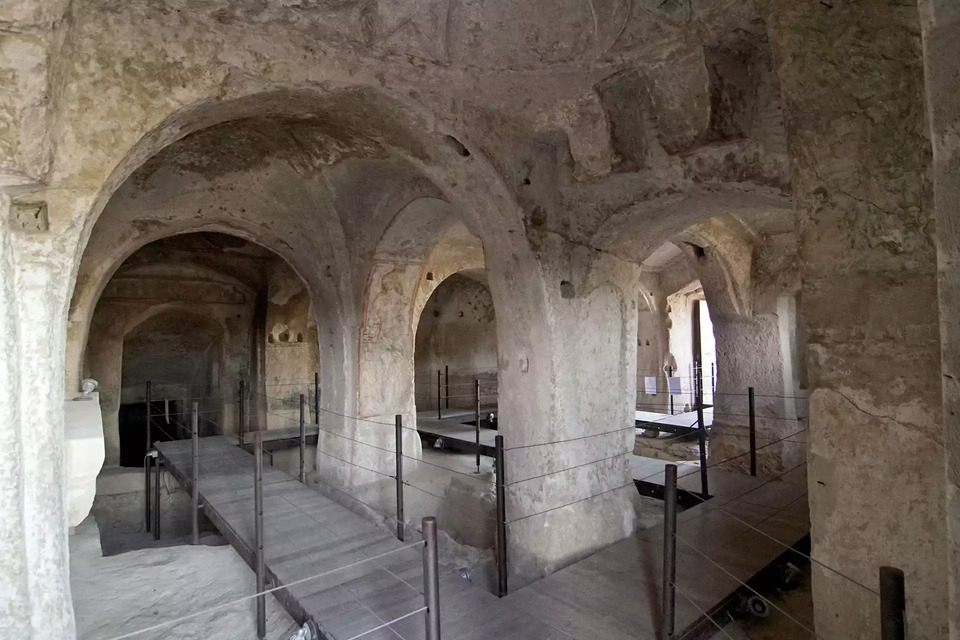
Matera, in Basilicata, is renowned for its Sassi, unique in the world and declared a UNESCO World Heritage Site. These ancient cave dwellings offer a truly unique experience. The rock-hewn churches, with their frescoes, are an invaluable artistic treasure. The Ridola Civic Museum, housed in a 16th-century palace, narrates the history of the city.
Food
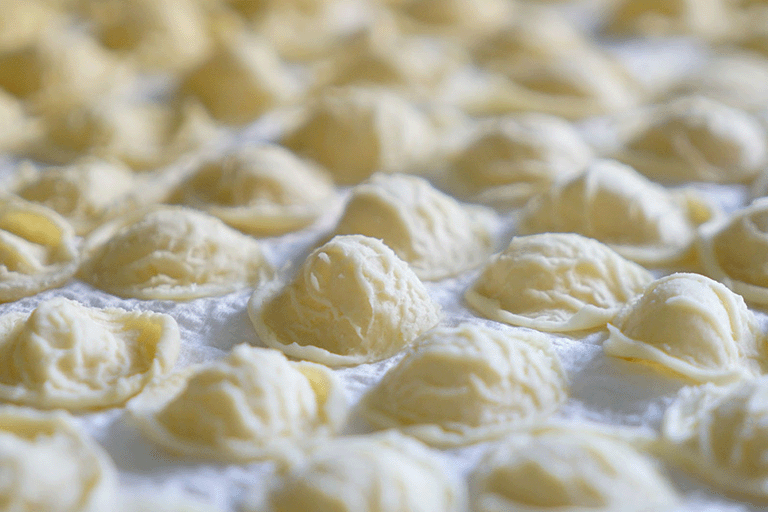
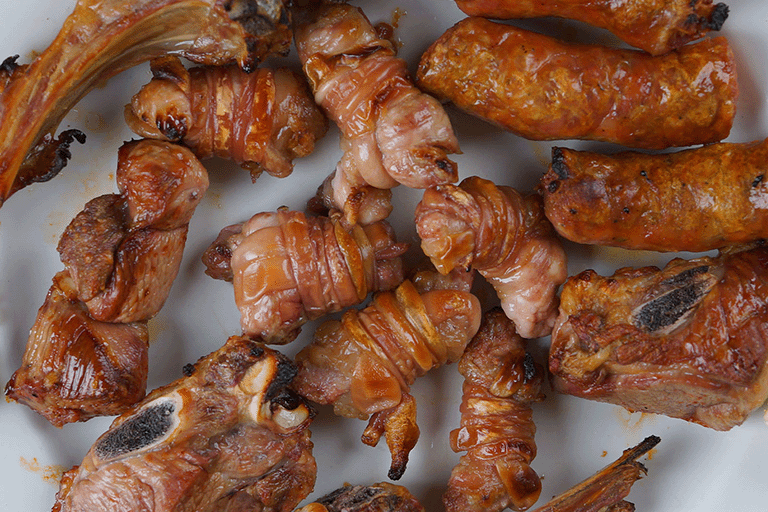
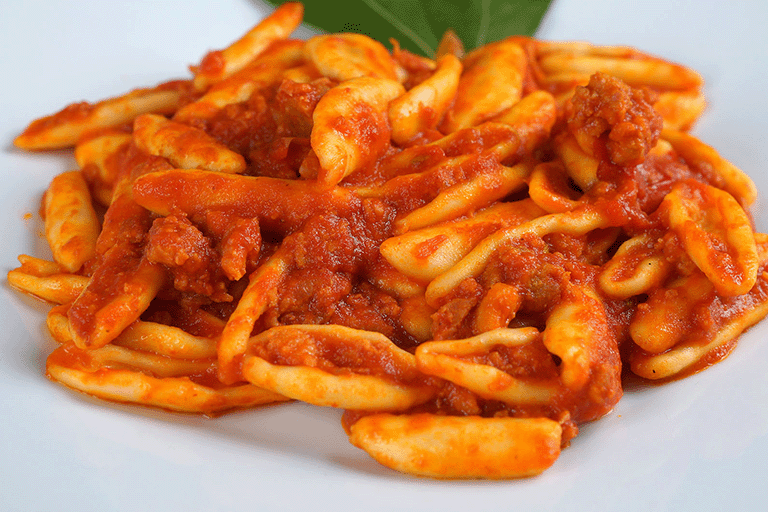
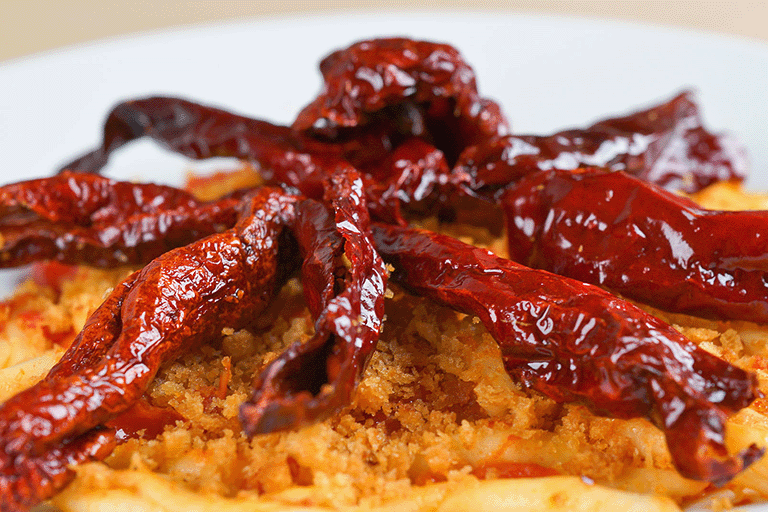
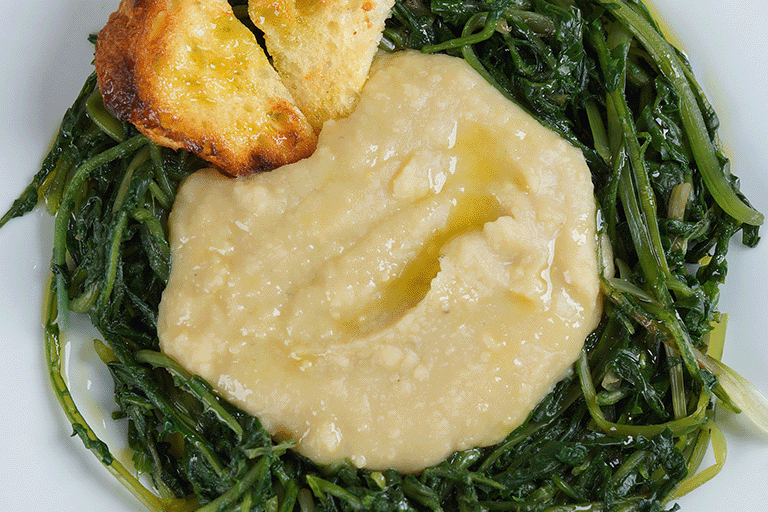
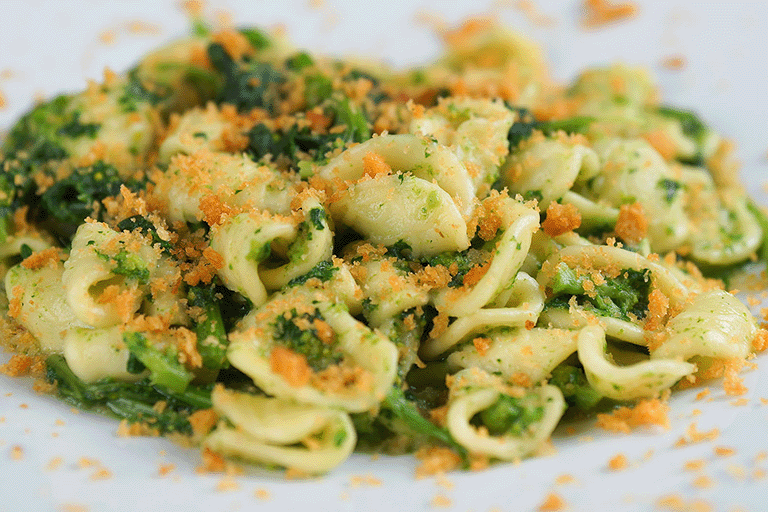
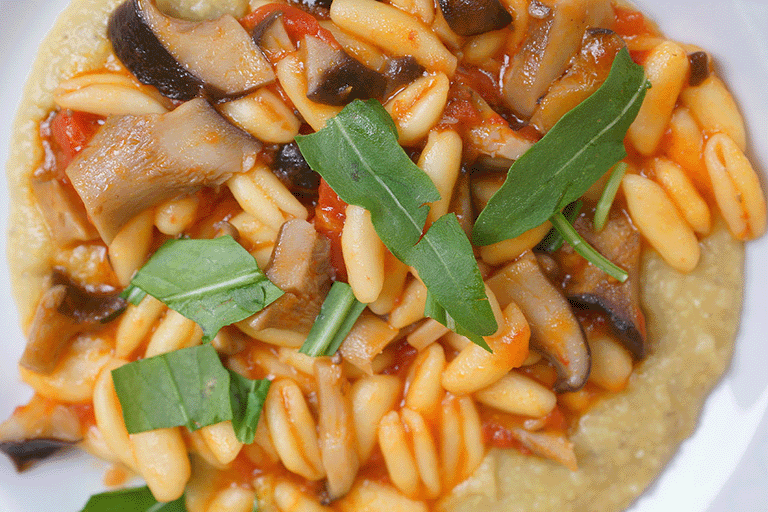
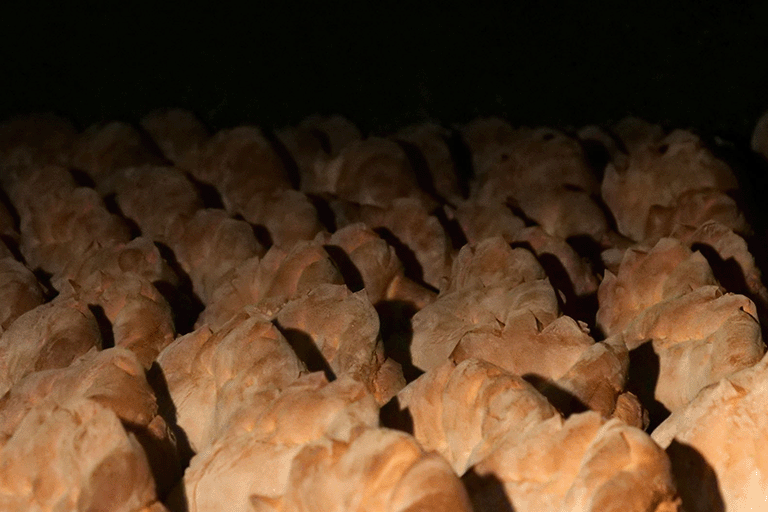
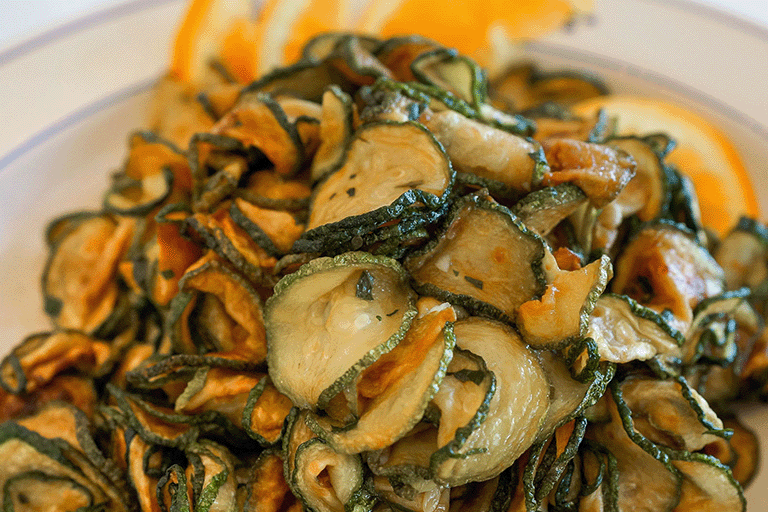
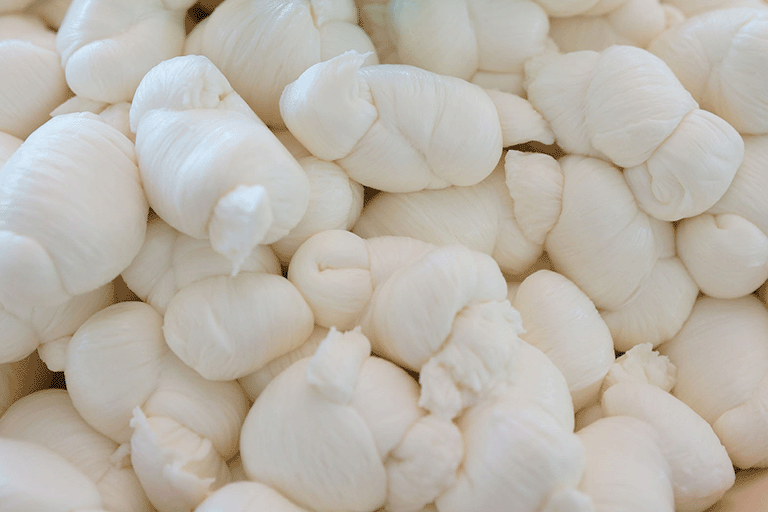
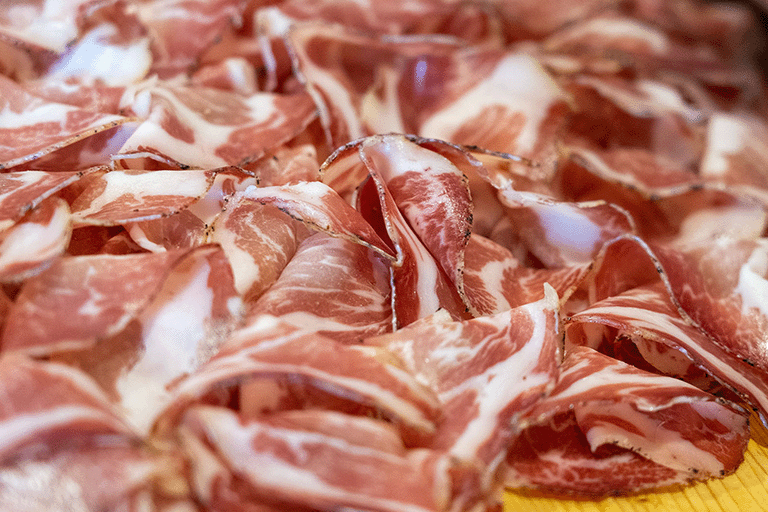
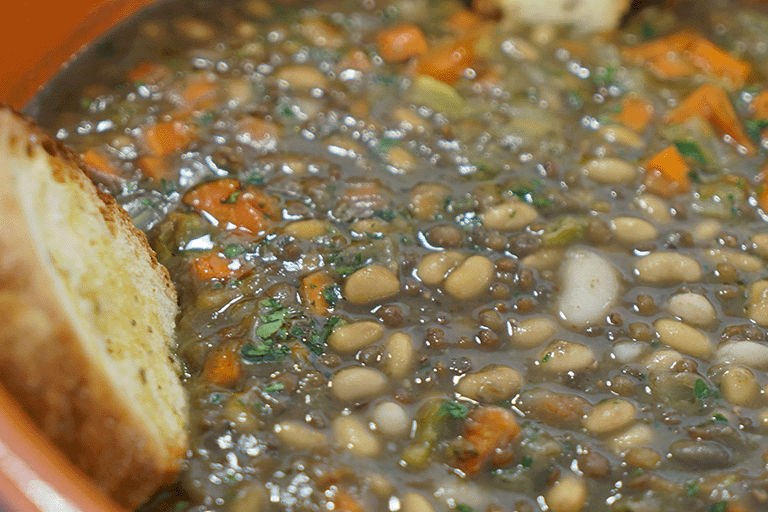
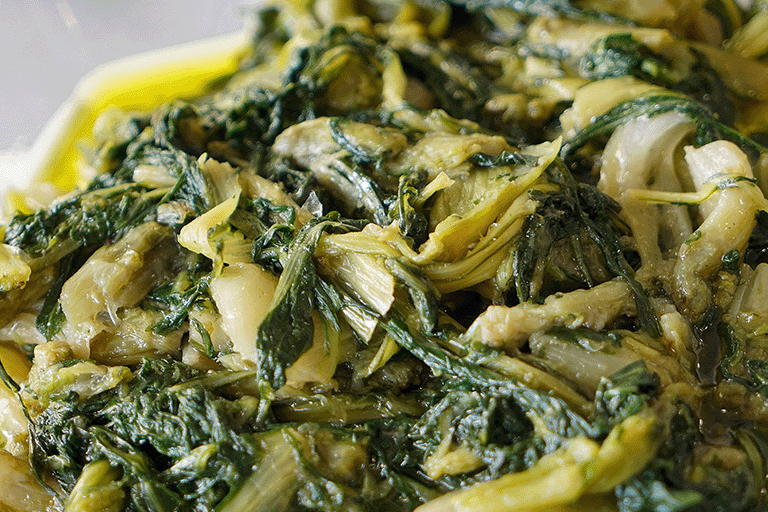
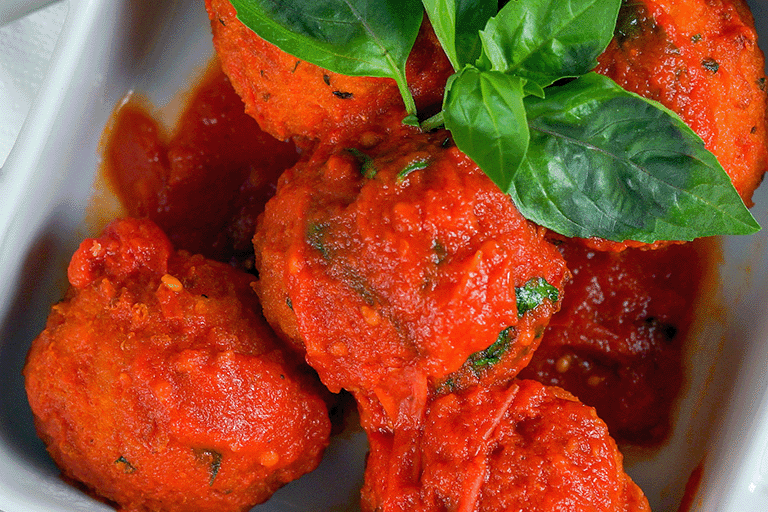
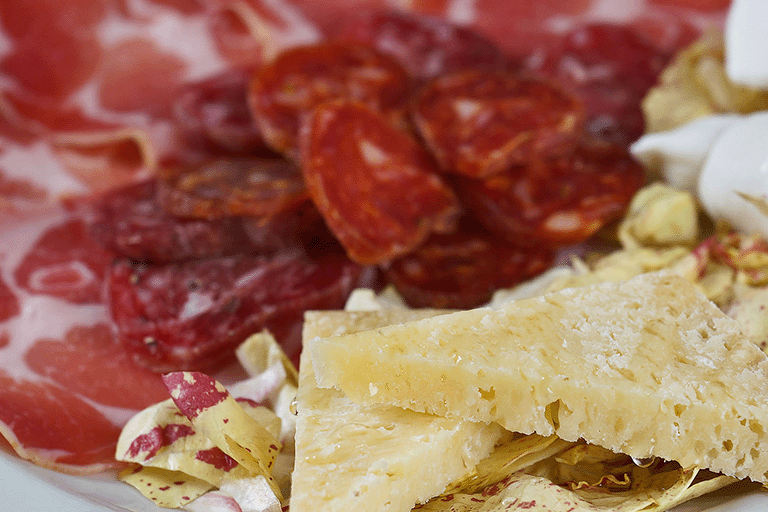
Typical products of the city are: the Matera IGP bread, a bread with a mainly high and long shape, called “cornetto“; the “Cialledd”, a poor traditional dish, in its two variants, hot and cold; the Crapiata, a soup based on legumes; the “Pignata”, typical dish that is obtained by cooking sheep meat in a clay pot called “Pignata“.
Points of Interest
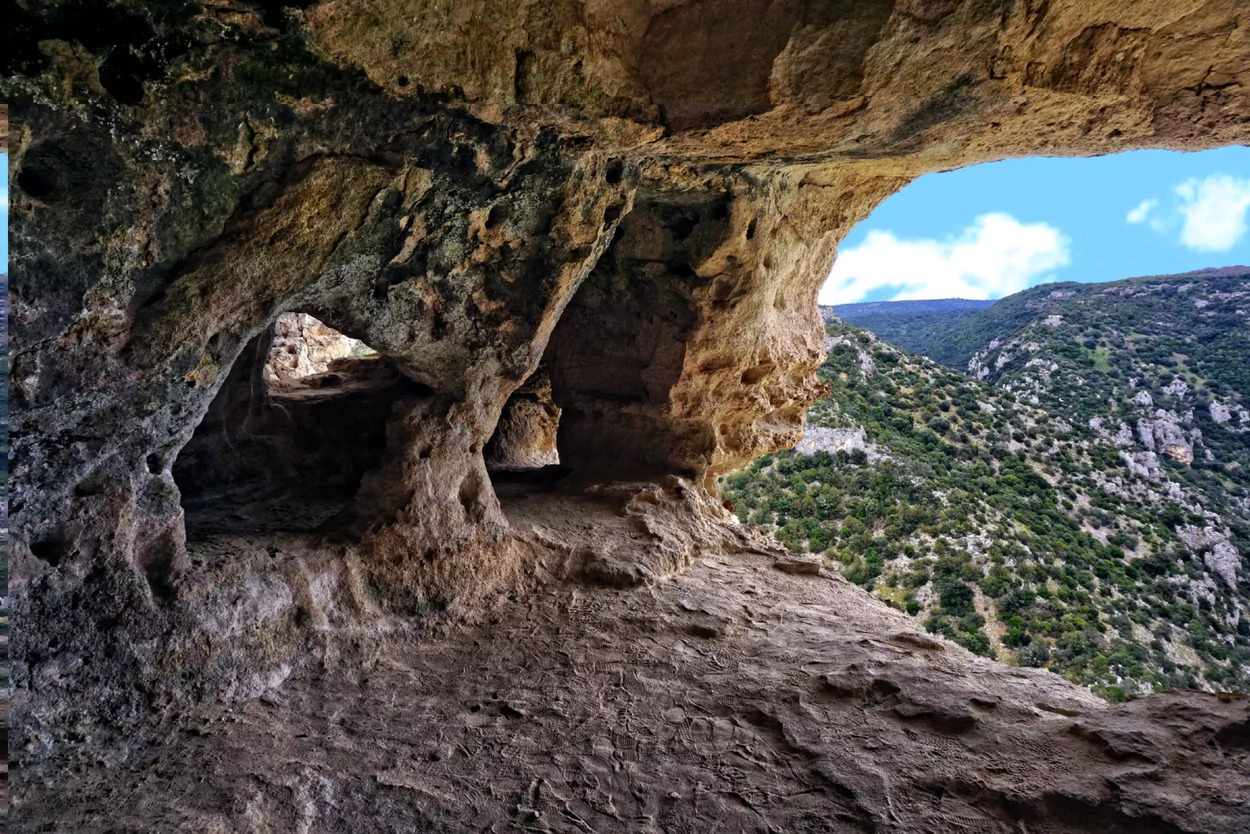
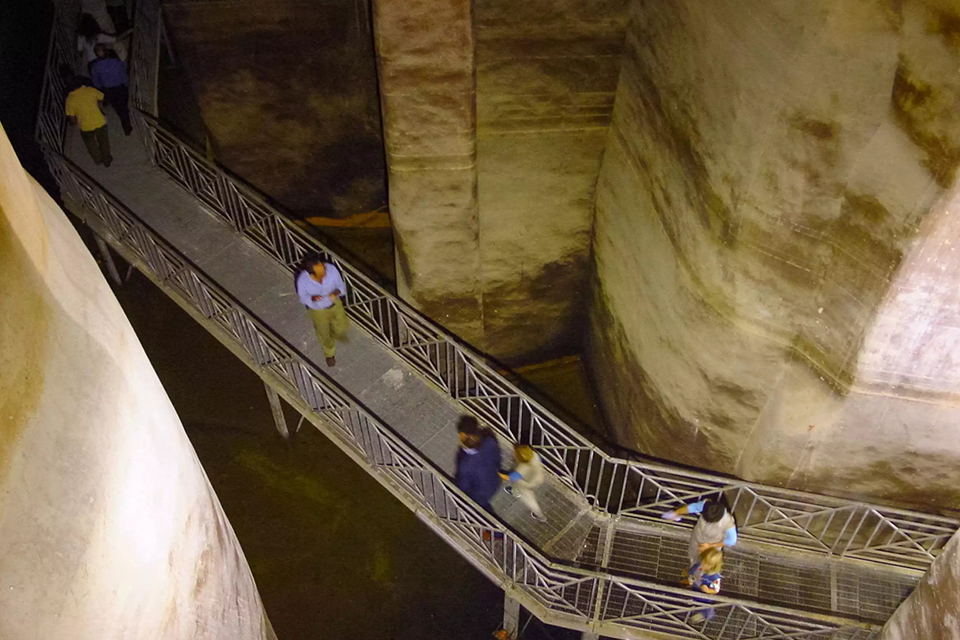
Matera, designated a UNESCO World Heritage site in 1993, is mainly famous for: the “Sassi”, in the in the historic city center, Caveoso and Barisano, which are the two Sassi districts, dug into the limestone, unique from an urban planning point of view; the Park of the Rock Churches, dotted around the Sassi and the gorges of the Murgia Materana Natural Park; the “Palombaro lungo”, underground water tank for the collection of water located under Piazza Vittorio Veneto, the main square of the city; the historical and natural archaeological park of the Murgia.
Corato (Molino Casillo)
Overview
Corato is a city in the province of Bari, on the eastern slope of the Murge to the northwest, between the coastal belt of Bari—densely cultivated with tree crops—and the true Murgian plateau, which until a few decades ago was almost entirely devoted to pastureland and arable fields. In addition to its particular position along the dividing line between two different economic zones, Corato owes its origin to the small area of clay‑sandy soils on which it stands, forming one of the few Pleistocene oases with aquifers in the midst of the vast karst landscape of central Apulia. The city indeed lies above a groundwater table which, swollen in the early years of the Apulian Aqueduct by the inflow of wastewater absorbed into the permeable subsoil, rose by several meters in 1921 and 1922, flooding the basements of many houses and compromising their stability.
The city consists of an older, circular core surrounded by a ring of modern buildings; it is an important center of secondary education (classical high school, art high school, hospitality institute). The municipality of Corato is one of the largest rural municipalities in southern Italy, strongly centralized with its 47,000 inhabitants. Its territory covers 167.73 km² and is rich in vegetable gardens, vineyards, olive groves, and almond orchards; in the more remote areas toward the upper Murgia, arable land predominates. The rich agricultural production has given rise to and supported wine, olive‑oil, and pasta industries.
Points of Interest
Municipal Theatre
Inaugurated on December 5, 1874, with its four tiers of boxes, it served as the cultural heart of the city for about sixty years. It was nicknamed “the little Petruzzelli” for its refined details and hosted numerous stars of Italian comedy, such as Totò and the De Filippo brothers. In 1952, the Corato City Council granted it in concession to the Lastella family, who undertook a complete renovation. The tiers of boxes and 19th‑century decorations were demolished to make room for a reinforced‑concrete gallery above the stalls, giving the theatre a modern appearance. Closed in 1985, it was restored and reopened on December 23, 2012, based on a project by architect Massimo Alvisi, returning to its original appearance with important technical innovations. Today the semi‑elliptical hall offers 500 seats across the stalls and three tiers of boxes.
Mother Church
The Cathedral, dating back to around 1139, appears today heavily altered from its original form due to interventions following the 1627 earthquake and various 19th‑century modifications. The restoration of the façade and bell tower (whose openings have been reinstated) allows at least an external understanding of the original structure. Medieval traces remain visible in the pointed‑arch portal, framed by a rich cornice decorated with smooth inner moldings and outer vegetal motifs of Eastern inspiration. In the lunette is a high relief depicting Christ, the Virgin, and a Saint (St. John or more likely St. Peter). Inside is an important fresco from the 1500s depicting the Madonna of Constantinople, attributed to a painter who signed with the initials ZT.
De Mattis Palace
Located on Via Roma, at the corner with De Mattis, popularly known as “u palazz de re péte pezzute” (“the palace of the rough stones”), referring to the diamond‑point rustication covering the main floor and framing the portal. The latter is outlined by thirteen large pyramidal stones, cut with great precision. The ground floor is covered with rustic rustication of quadrangular cones, enriched with reliefs and vegetal motifs, and a cherub head at the corner. At the corner of the main floor stands the coat of arms of the Patroni‑Griffi family, to whom the 16th‑century palace most likely belonged. The building ends with a straight crowning cornice.
Catalano Palace
Catalano Palace, located at Via Roma 103 and dated 1598, is a modest structure yet rich in lively decorations of distinctly popular taste. On the corner are carved male busts, small heads, and grotesques rising up to the first‑floor cornice. The first floor features a frieze depicting a dynamic hunting scene with horsemen, dogs, and game. Above the second floor, a partially legible inscription reads: TAM SIBI C… TANT(A) CONDIDIT AEDES CATALANUS RARUS IN ARTE FABER M. ANTONIUS CATALANUS. 1598, recalling the founder, an otherwise unknown Antonio Catalano. The portal bears the initials “R.o.C.o.”.
Gisotti Tower
It remains today the only surviving evidence of the fortifications that once protected the ancient city, which was equipped with a castle and defended against invaders. From the outside, the Tower appears incorporated into the surrounding buildings, forming a sort of bastion. However, the sloped wall adjoining the Tower on its left does not correspond to the medieval walls of which the Tower was originally part, due to its lower height and the smaller extension of the medieval city (around the 13th century). The Tower’s geometric structure consists of two superimposed solids: a cylindrical base topped by a parallelepiped, likely added when the structure was converted into a dwelling, as suggested by the terrace with perimeter parapet. The original walls were probably blind (without openings) and later modified with windows. Local historians believe the ancient city walls, of which the Tower was part, date back to the Norman period (first historical mention of the city: 1046).
City and Territory Museum
The Museum of the City and Territory of Corato is housed in the former city prison, dating to the early 20th century. The exhibition begins with archaeological finds from 8,000 years ago, documented by the Neolithic settlement of Torrepaone, including the oldest impressed ceramics and numerous flint tools. Pre‑Roman artifacts from the tumulus tombs of San Magno and Roman items such as the milestones of the Via Traiana are displayed. Of notable interest are the Pietà fresco (early 1500s) and the Madonna del Latte relief (1540), attributed to Paolo Catalano da Cassano, a refined Dalmatian artist active in Apulia in the 15th century. The museum also preserves stone materials from buildings that collapsed during the 1922 hydrogeological disaster. The “Historical Cartography” room displays photographic reproductions of significant documents from the 18th and 19th centuries. The historical section is complemented by the demo‑ethno‑anthropological section, which gathers traditional objects and tools once used in agricultural and pastoral activities. Closely tied to the varied Apulian landscape—centuries‑old olive trees, stone constructions (trulli and farmsteads), and the barren Murgia—the museum constantly encourages visits to the archaeological area of San Magno and the dolmen Chianca dei Paladini.
Videos Stage 04

Giro Next Gen 2026 | Stage 4 | Italian 1-2-3
17 Jun 2026
Giro Next Gen 2026 | Stage 4 | Highlights 🇬🇧
17 Jun 2026
Giro Next Gen 2026 | Stage 4 | Last KM 🇬🇧
17 Jun 2026Photos Stage 04
Giro Next Gen 2026 | Stage 4 | Best Of
17/06/2026