








learn more
technical info
profile
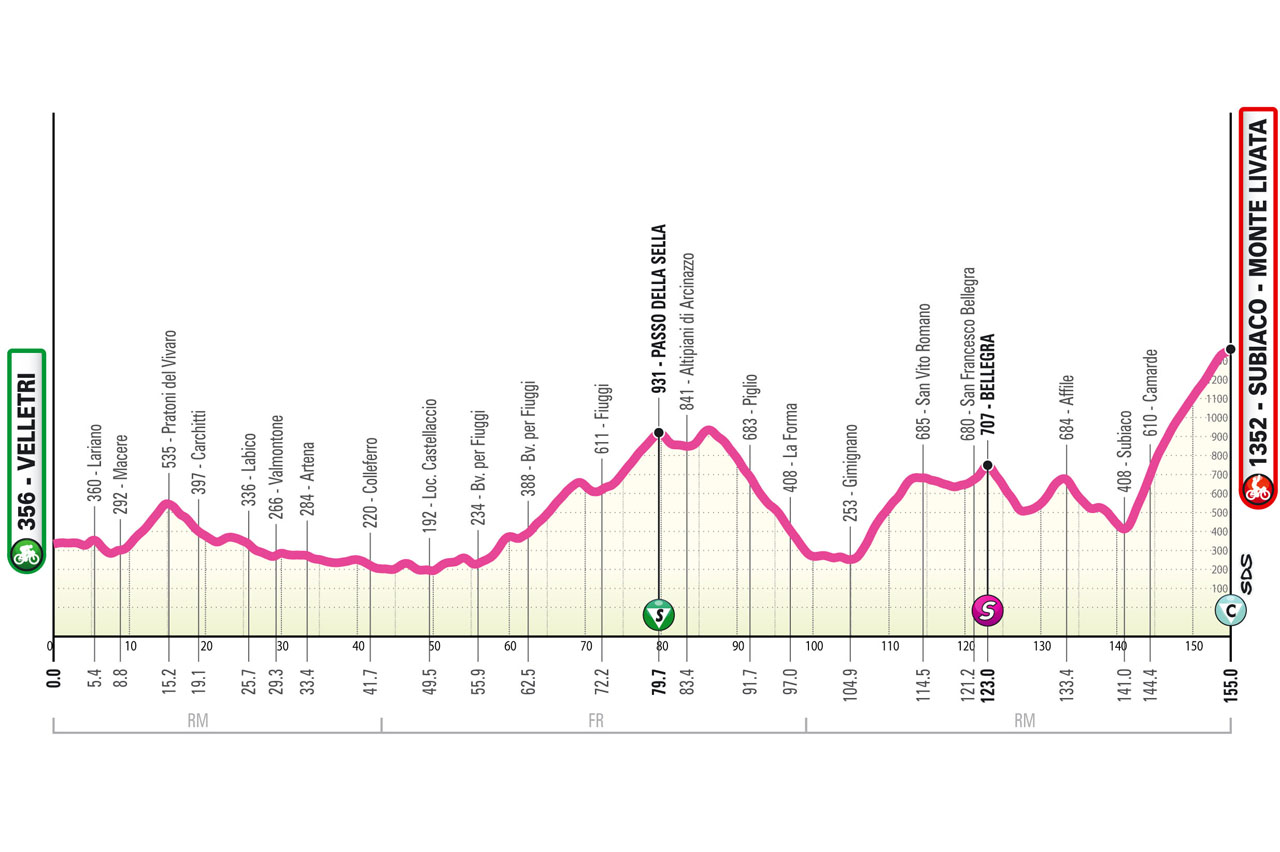
map
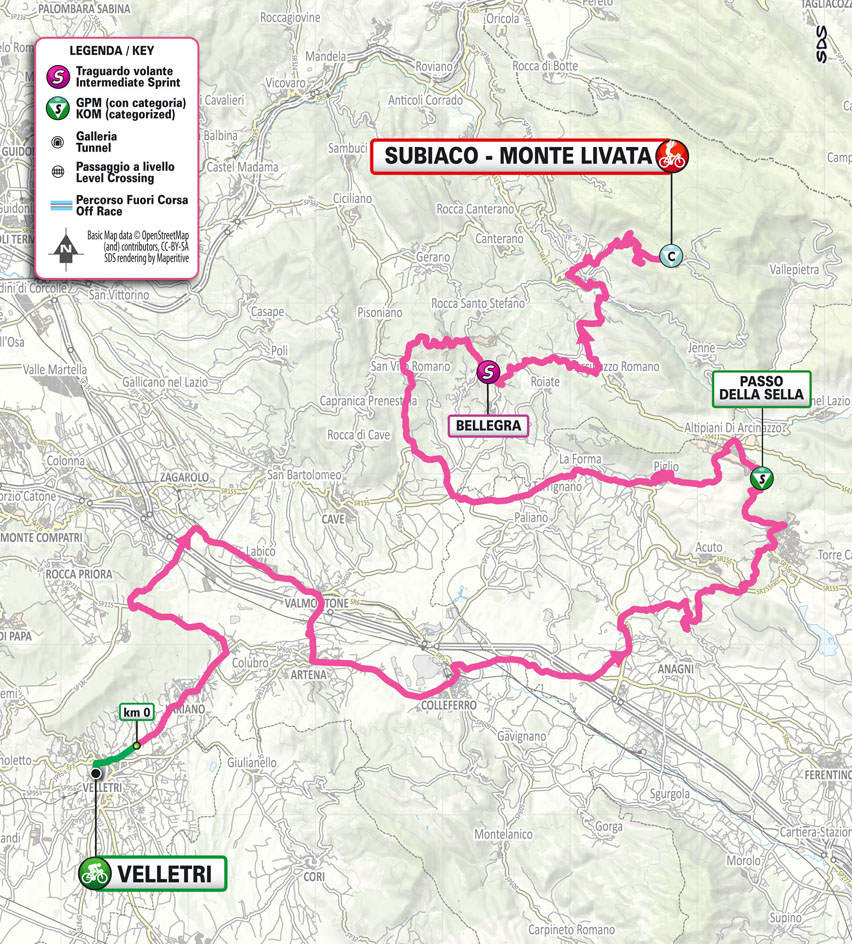
technical info
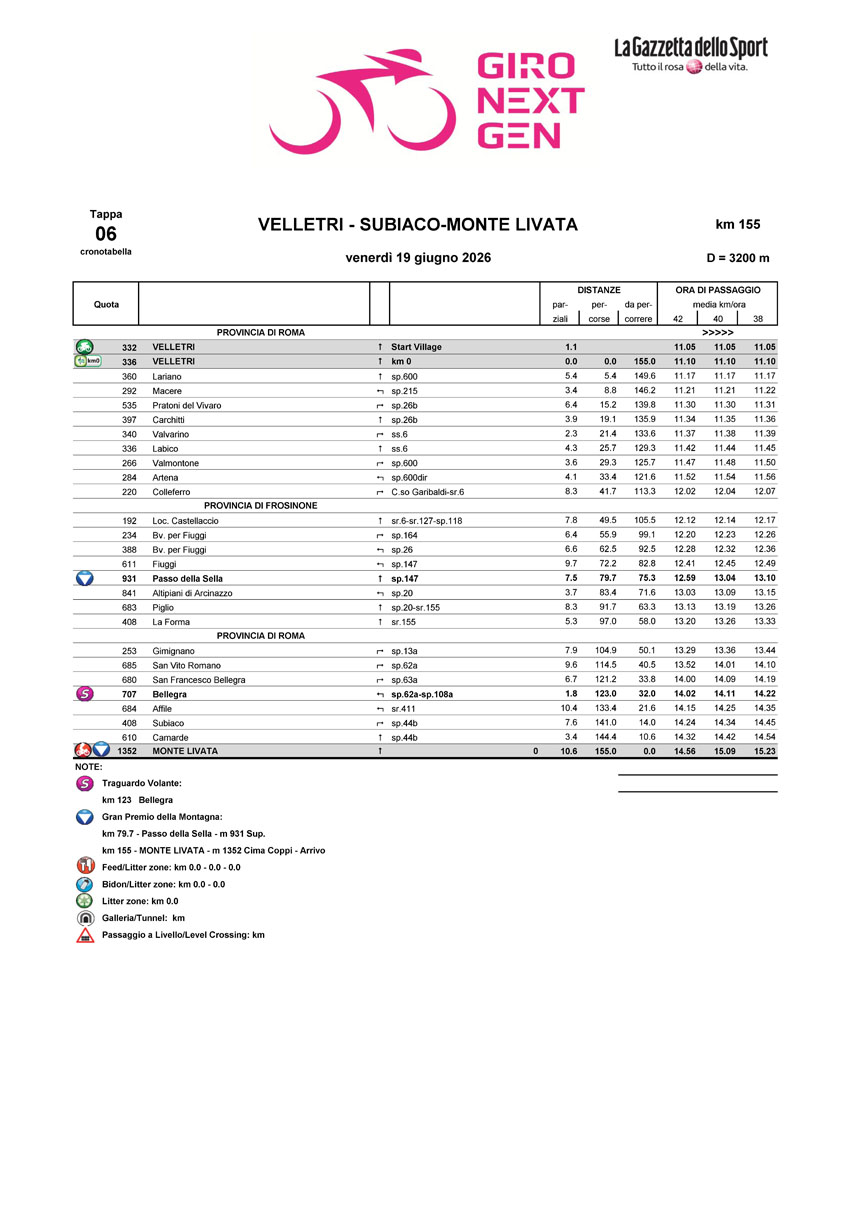
An Apennine stage crossing the Castelli Romani and the Ciociaria region. After passing through Fiuggi and the Altipiani di Arcinazzo, the route reaches Subiaco before tackling the final climb to Monte Livata.
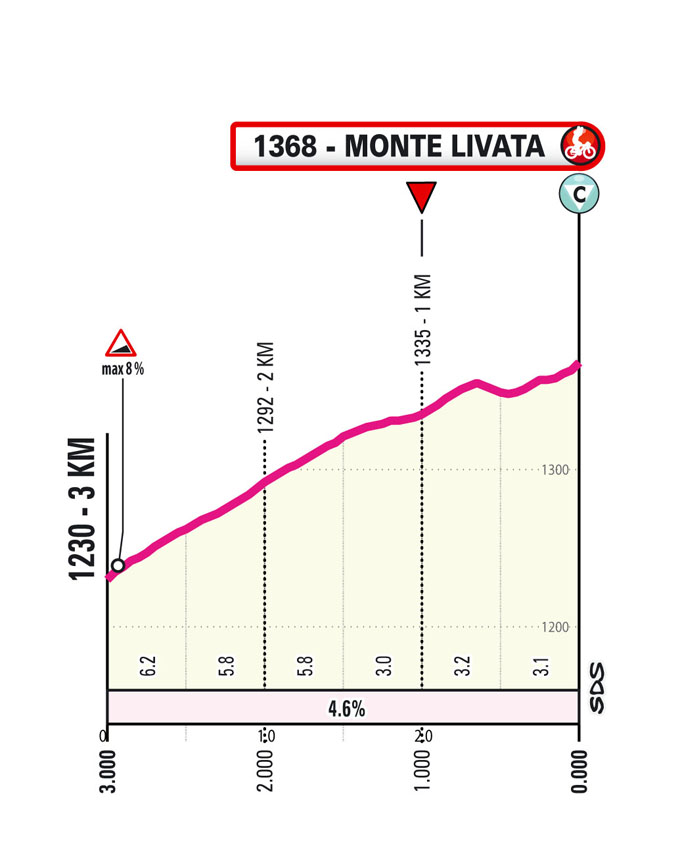
FINAL KILOMETERS
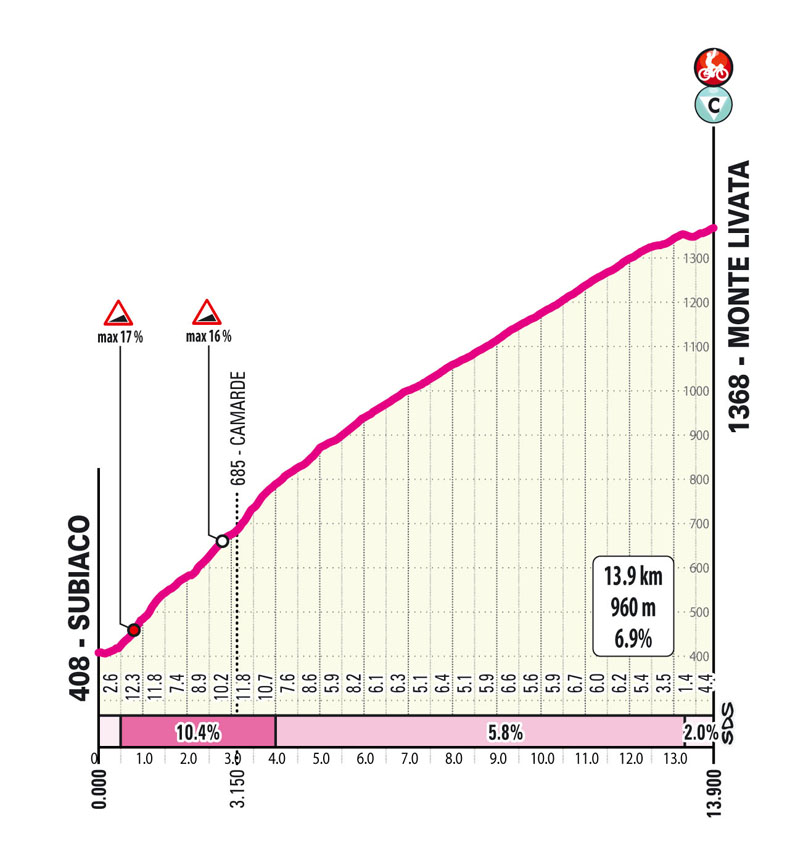
The last kilometres are entirely uphill. The ascent to Monte Livata is 16 kilometres long and features a particularly steep section, with gradients reaching 15% in the opening kilometres. The stage finishes with a 250-metre finishing straight.
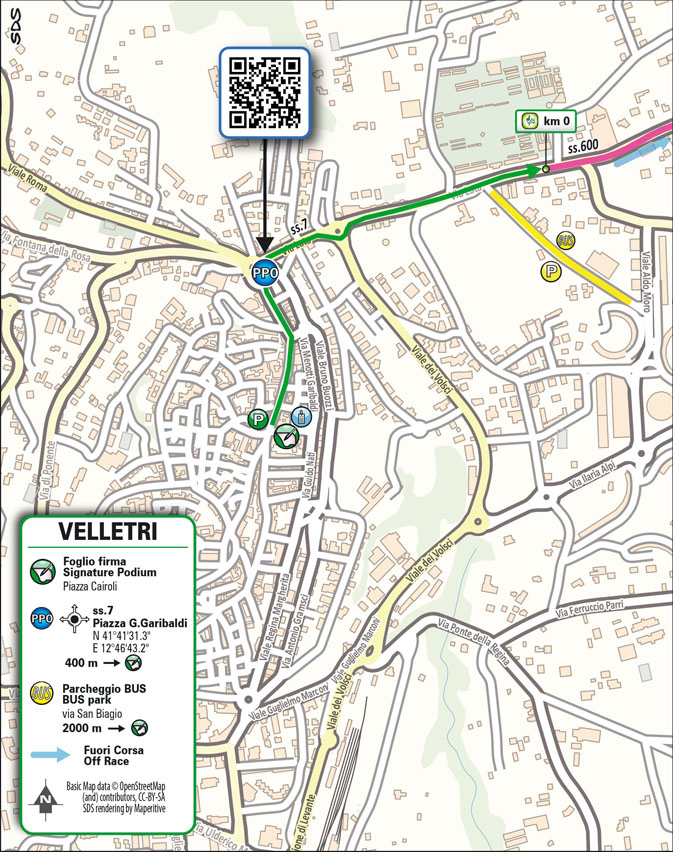
start / finish
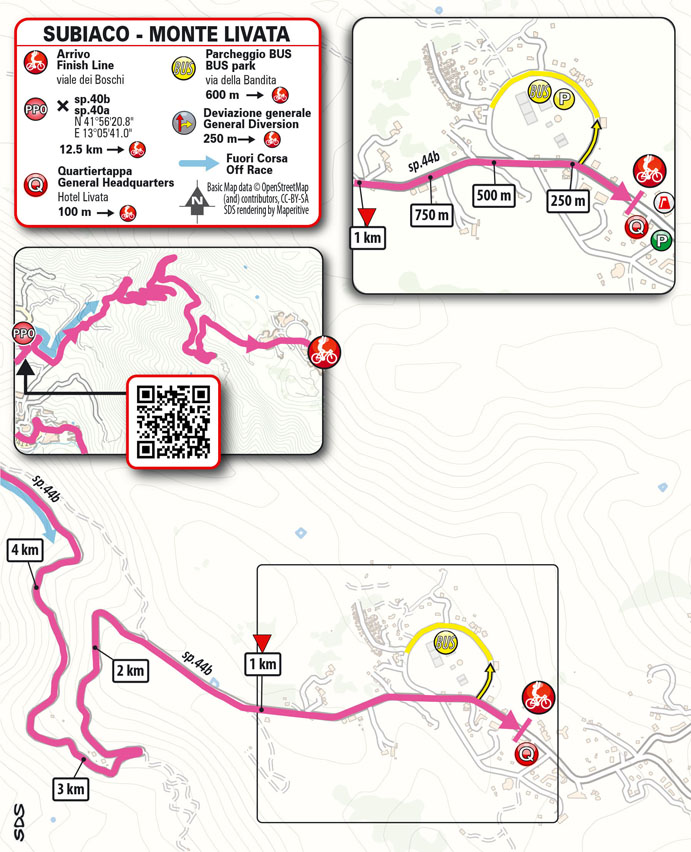
climb detail
final kilometres
itinerary timetable
tourist info
Host city:
Velletri
Overview
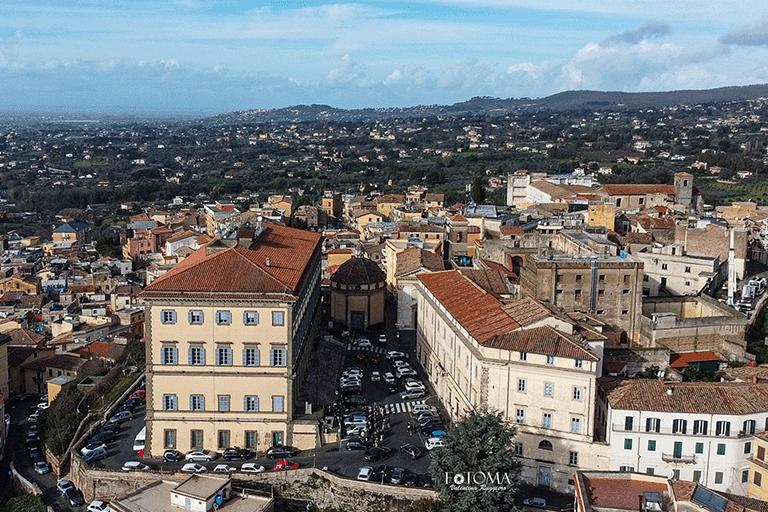
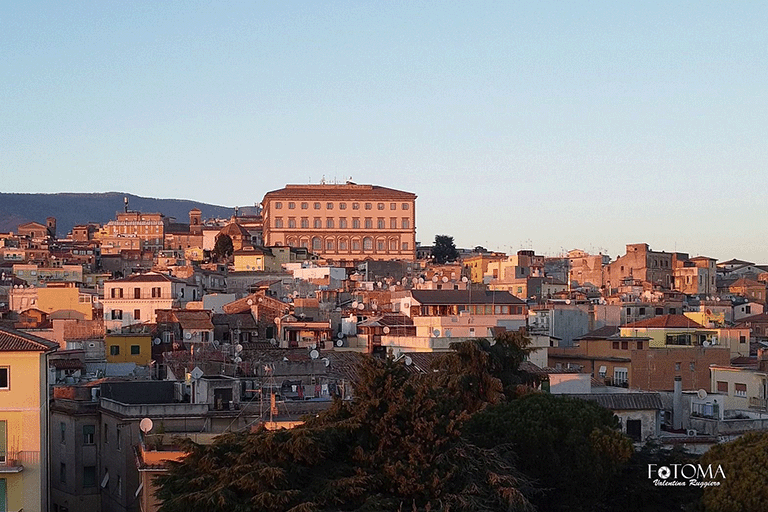
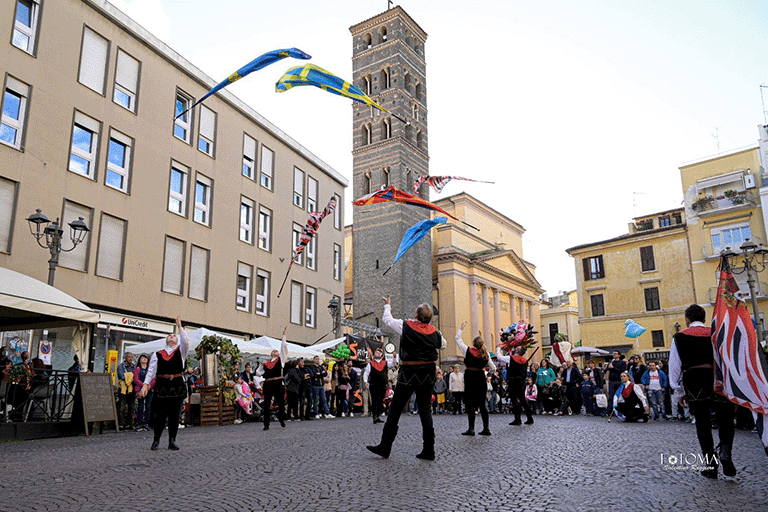
Velletri is a town in central Lazio, nestled in the greenery of the Castelli Romani, just 40 km south of Rome. It is set in an enchanting location on the slopes of Monte Artemisio, in an area of great natural, landscape, and cultural interest, such as the Alban Hills. The beauty of its surroundings, the richness of its historical, artistic, and architectural heritage, as well as an ancient and renowned tradition of wine and cuisine, distinguish this city with its millennia-old history, where the emperor Caesar Octavian Augustus spent his childhood.
Food
1) Strozzapreti alla Velletri-style, a dish that combines simplicity of preparation with rich flavour.
2) Brussels sprout and cod soup, a dish that, even today in its simplicity, is able to create a strong bond between the people of Velletri and their rural traditions.
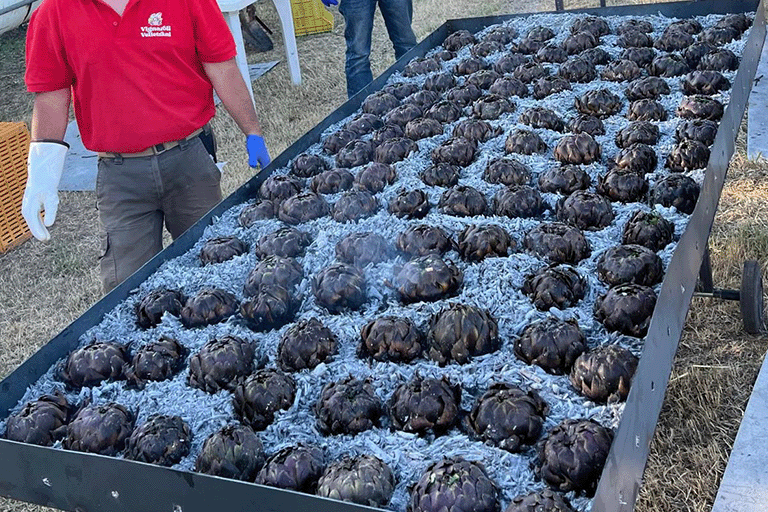
3) Carciofi alla Matticella, an undisputed symbol of the city and closely linked to local viticulture, are cooked over embers made from “matticelle”, bundles of vine prunings.
4) Ciambelline al vino are dry ring-shaped biscuits made with flour, sugar, oil, and wine, which gives them a unique aroma and crumbly texture.
5) Ciambelle al mosto are a traditional sweet made from leavened dough and prepared with warm grape must.
6) Ciambelle all’acqua, a simple peasant dessert flavoured with anise, are made from dough that is briefly boiled and then baked.
Drinks
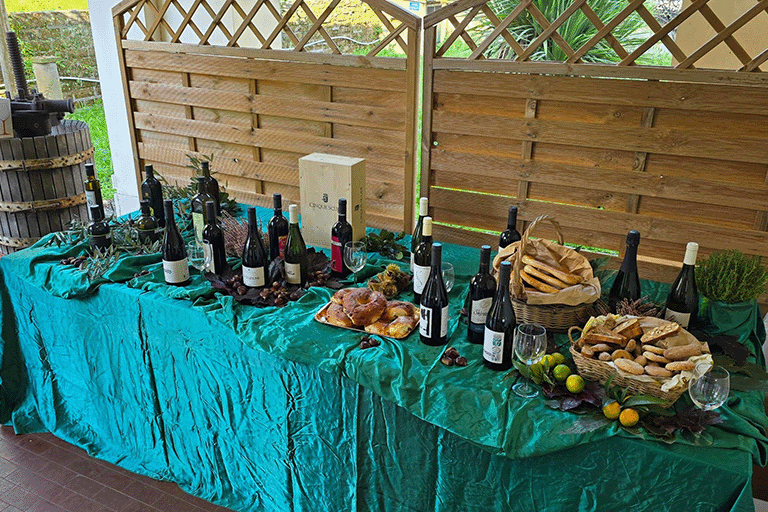
Velletri DOC Red and White wines.
Red: grape varieties include Sangiovese, Montepulciano, Cesanese Comune, and Cesanese di Affile. It has a ruby-red colour. Ethereal and spicy on the nose, while on the palate it is dry, smooth, and well-balanced.
White: grape varieties include Malvasia Bianca di Candia, Malvasia del Lazio, Trebbiano Toscano, and Trebbiano Giallo. It has a straw-yellow colour. On the nose, the floral bouquet is clean and elegant, with notes of ripe fruit, yeast, and beer. On the palate, it is dry, full-bodied, and persistent
Points of Interest
1) The Palazzo Comunale, designed by Della Porta and Vignola, together with the Palazzo dei Conservatori and the Tempietto del Sangue, defines the ancient Renaissance-style Piazza di Corte, today known as Piazza Cesare Ottaviano Augusto.
2) The “O. Nardini” Archaeological Museum, inaugurated in 1920, has become a living institution in continuous growth. Its collection consists of stone and terracotta materials ranging from the prehistoric period to the early Middle Ages. The Sarcophagus of the Labours of Hercules, dating to the 2nd century AD, has become the emblem of the city’s archaeological heritage.
3) The Museum of Geopalaeontology and Prehistory of the Alban Hills, inaugurated in 2005, displays various minerals and a collection of fossils, worked stones, points, scrapers, and backed knives. The Protohistoric section presents several grave goods from Iron Age necropolises.
4) The SS. Stimmate Archaeological Area occupies the hill on which the first settlement of the city was established, with evidence dating back to the Iron Age, followed by the construction of a temple in the 7th–6th century BC and its subsequent transformations, attributed to Tarquin the Proud.
5) The Diocesan Museum, founded in 1927 by Cardinal Basilio Pompili, is housed in the ancient Episcopal Seminary, a prestigious building whose oldest core dates back to the second half of the 15th century. The works, mainly coming from the city’s churches, have been part of the collection since the late 19th century.
6) The former Convent of the Carmine, left by the religious order in 1870 and later used as a land registry office until the 1960s, is now home to the A. Tersenghi Library. It preserves frescoes of rare beauty that time and human neglect had left in a state of decay, such as the classical “Last Supper” and Elijah in the chariot of fire. In Palazzo Cinelli are also located the Ancient Collection Library, the Municipal Historical Archive, and the Notarial Archive.
7) Velletri Cathedral, dedicated to Saint Clement I, Pope and Martyr, dates back to the 5th century and has a basilica plan divided into three naves with seven chapels. In the crypt is preserved a fresco depicting the Translation of the relics of Saints Eleutherius and Pontian, the only iconographic testimony of the church’s external appearance in its earliest centuries.
8) Santa Maria del Trivio was built before the bell tower; it was originally constructed in Gothic style with a simple exposed beam ceiling. In the first half of the 17th century, having fallen into disrepair, architect Carlo Maderno was commissioned to design the new church, which would take the form of a Latin cross with a central dome, side chapels, and an ornate façade. The completion work was entrusted in 1759 by Bishop Cardinal Raniero d’Elci to architect Carlo Murena.
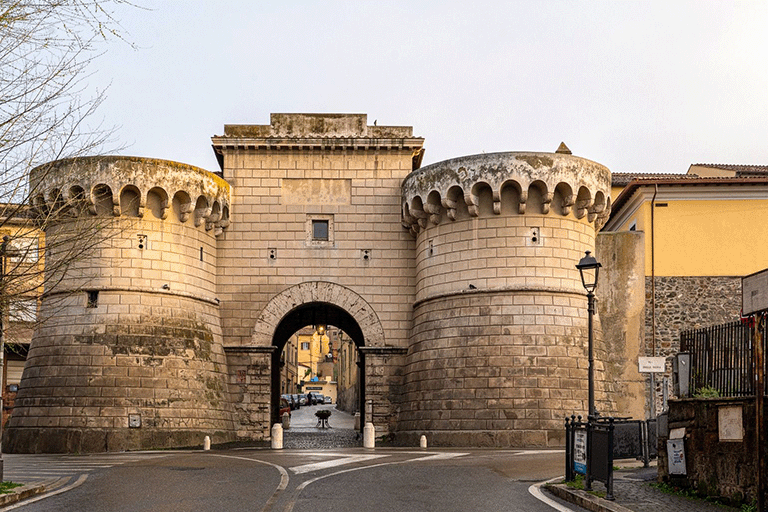
9) Porta Napoletana, built in 1511, was originally constructed as the main entrance to the medieval town of Velletri. The gate features a portal and a massive iron grille. From here began the city walls, punctuated by towers, which once surrounded Velletri.
10) The Church of Saint Lucy, founded in 1032, still retained its Gothic appearance in 1595. It underwent numerous alterations, mainly due to improper use: during various wars it served as a barracks, a hospital, and even a stable. In the 20th century, its original layout was drastically altered due to the construction of the Chapel of Victories, designed by architect M. de Rossi.
Subiaco-Monte Livata
Overview
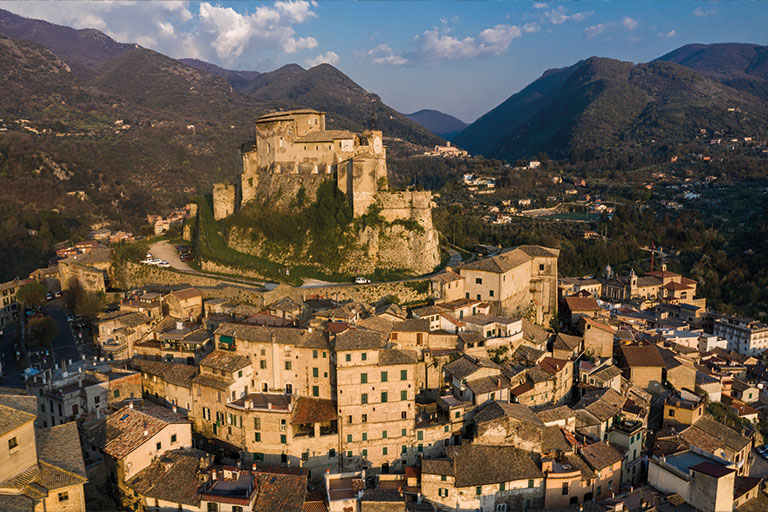
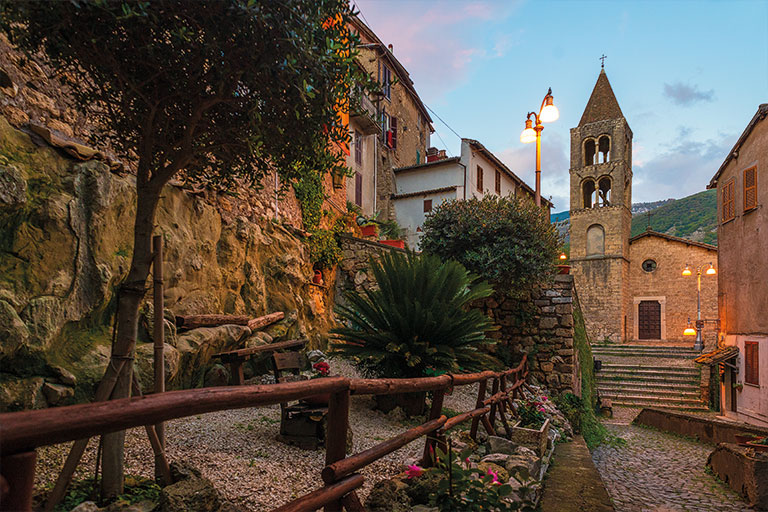
Subiaco, in the heart of the Aniene Valley and nestled in the Simbruini Mountains Natural Park, is one of the most charming villages in Lazio. The cradle of Benedictine monasticism and printing in Italy, it preserves a unique historical, artistic, and spiritual heritage. With medieval monasteries, historic alleys, mountain landscapes, and the Aniene River, Subiaco combines culture, nature, and authentic traditions, making it an ideal destination for religious, outdoor, and food and wine tourism.
Food
1) Pappaciuccu: A peasant dish made with black cabbage, homemade bread, and pieces of stale corn. A symbol of the Subiaco peasant cuisine.
2) Pezzole con fagioli: Traditional local pasta served with sauce and beans, simple yet rich in flavor.
3) Subiachini: Typical sweets made with almonds, honey, egg whites, and sugar. Crunchy and fragrant, they are one of the gastronomic symbols of Subiaco.
4) Tozzetti: Dry almond biscuits, perfect paired with sweet wine or local liqueurs.
5) Salame del Re: A sweet rolled sponge cake and chocolate, typical of the local tradition.
6) Trota in Guazzetto: A tribute to the clear waters of the Aniene River, cooked with tomatoes, aromatic herbs, and spices.
Points of Interest
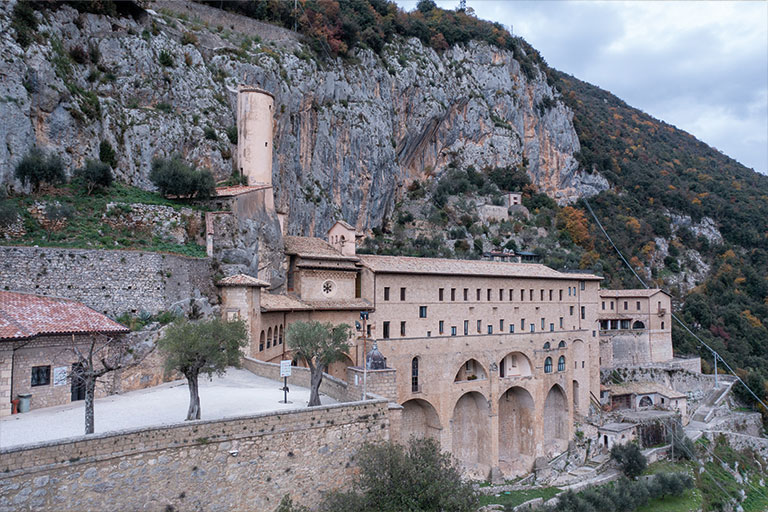
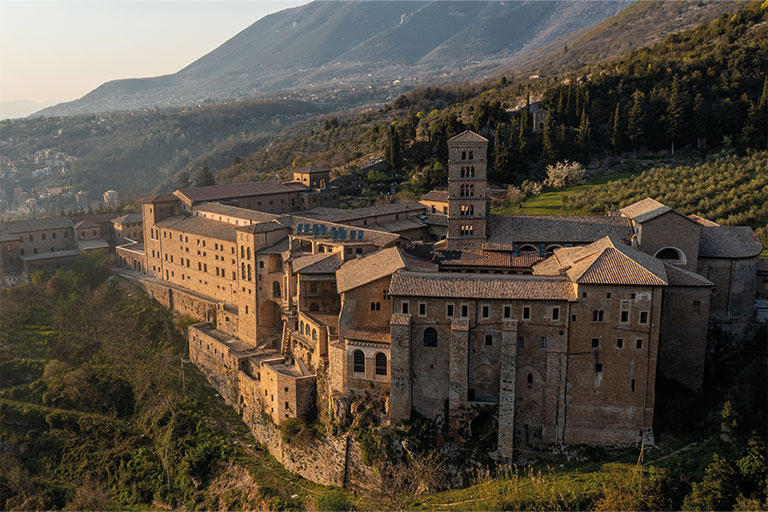
1) Monastero di San Benedetto – Sacro Speco: Built around the cave where Saint Benedict lived as a hermit, the Sacro Speco is one of the most important spiritual sites in Europe. The monastery, nestled in the rock of Mount Taleo, houses splendid medieval frescoes and a unique atmosphere that has earned it the name “the threshold of Paradise.”
2) Monastero di Santa Scolastica
Founded in the 6th century, it is the oldest Benedictine monastery in the world. Famous for its three cloisters from different periods, its historic library, and the first Italian printing press with movable type, it is one of the cultural symbols of Subiaco.
3) Rocca Abbaziale dei Borgia
A medieval fortress overlooking the village, it was the residence of important commendatory abbots, including the Borgias. Today, it houses the Museum of Paper and Printing and offers a suggestive view of the city and the Aniene Valley.
4) Ponte di San Francesco
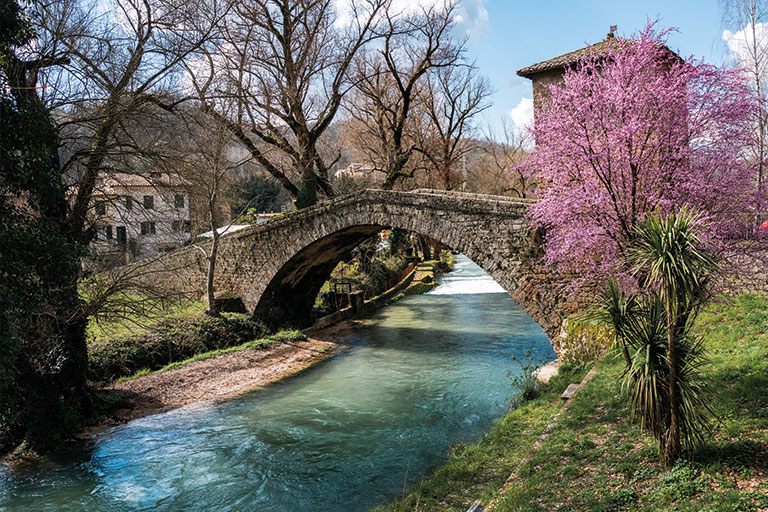
A medieval humpback bridge that crosses the Aniene River and leads to the convent of the same name. It is one of the most characteristic views of Subiaco and represents an important historical and architectural symbol of the village.
5) Convento di San Francesco
It is one of the most fascinating spiritual sites in the Aniene Valley. Founded in the 13th century after the passage of Saint Francis of Assisi, it retains an atmosphere of Franciscan meditation and simplicity. The building features medieval elements, sacred frescoes, and a quiet cloister surrounded by greenery. Even today, the convent remains an important point of faith, culture, and historical memory for pilgrims and visitors.
6) Borgo degli Opifici
An ancient medieval district of papermakers and artisans, it preserves narrow streets, small squares, and authentic views. It bears witness to the historic tradition of papermaking that made Subiaco an important manufacturing center.
7) Villa di Nerone
An archaeological site linked to the grandiose villa built by Emperor Nero around the artificial lakes of the Aniene River. Today, evocative remains of the ancient Roman complex remain, immersed in nature.
8) Basilica di Sant’Andrea Apostolo
The city’s main church, it houses works of art and important religious relics. It stands in the main square of the city directly opposite the Town Hall and represents one of the main spiritual focal points of the Subiaco community.
9) Monte Livata
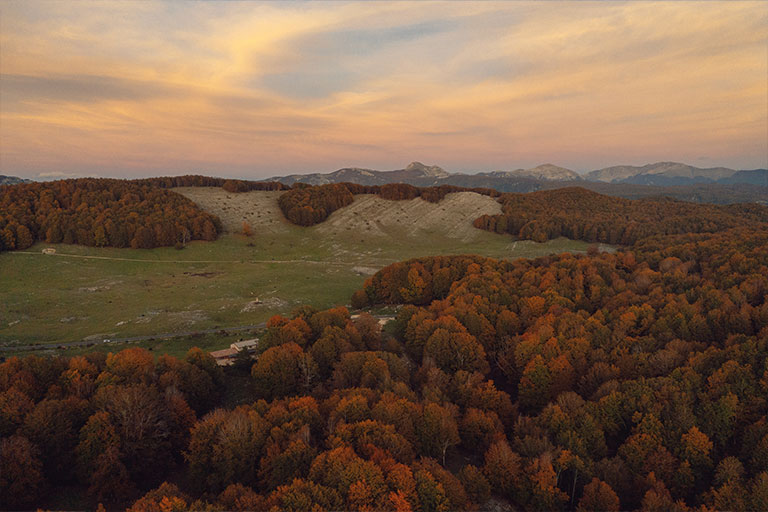
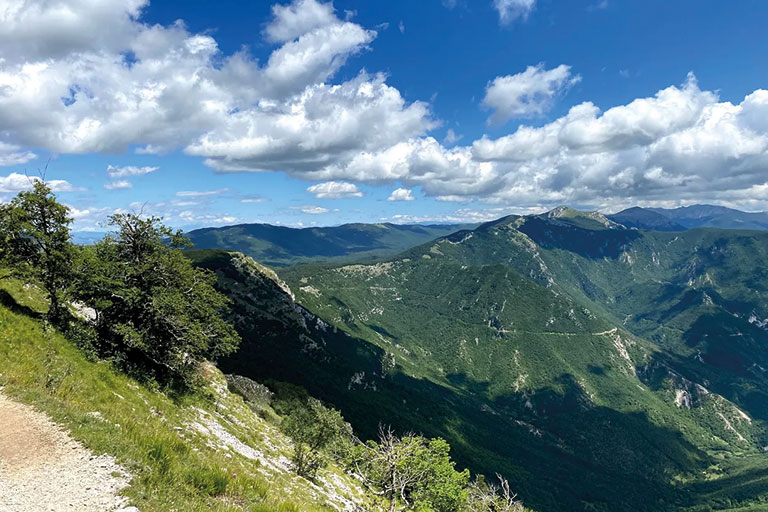
A mountain resort located in the Simbruini Mountains Park, an ideal destination for hiking, trekking, skiing, and outdoor activities. It is known as “the mountain of Rome” due to its proximity to the capital.
10) Piazza Pietra Sprecata
A charming medieval square in the historic center, characterized by stone buildings and an authentic atmosphere. It is one of the most photographed places in the village, a source of inspiration for the painters of the Grand Tour.
Videos Stage 06

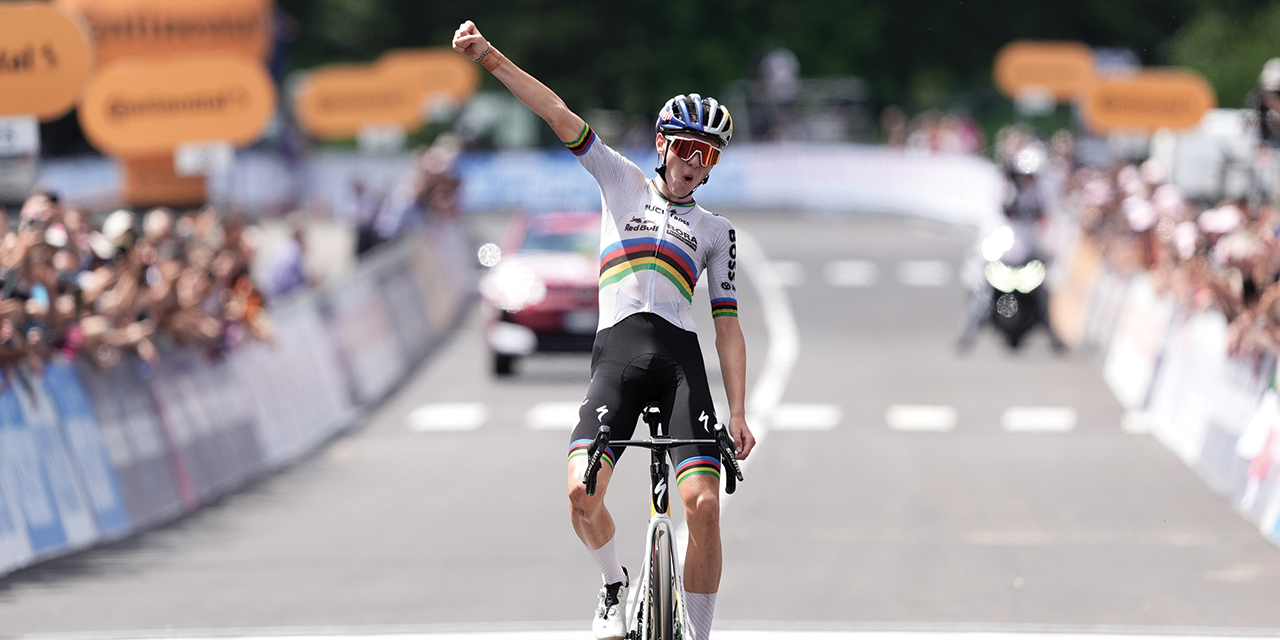
Giro Next Gen 2026 | Stage 6 | Finn storms into Pink
19 Jun 2026
Giro Next Gen 2026 | Stage 6 | Highlights 🇬🇧
19 Jun 2026
Giro Next Gen 2026 | Stage 6 | Last KM 🇬🇧
19 Jun 2026Photos Stage 06
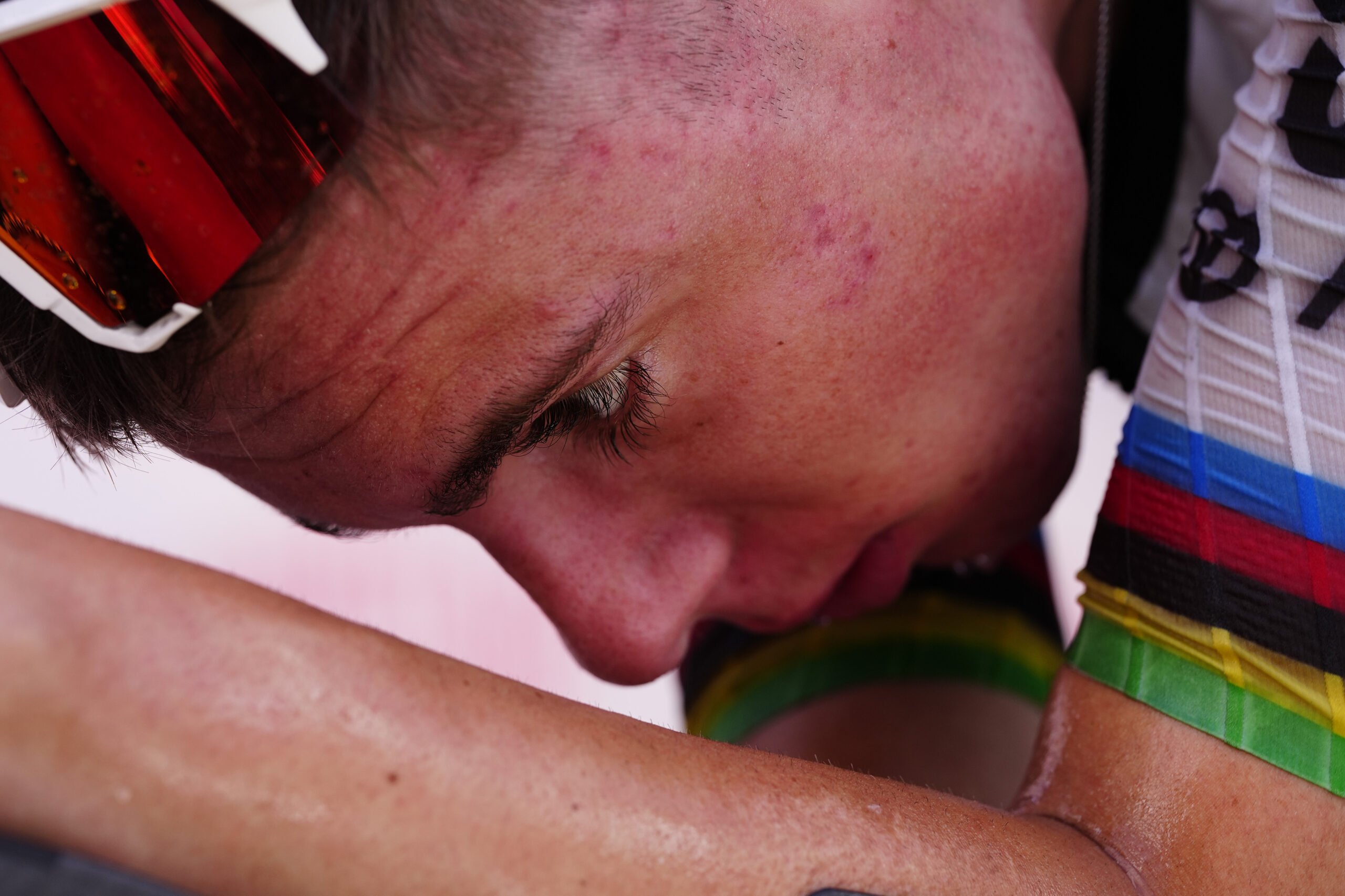
Giro Next Gen 2026 | Stage 6 | Best Of
19/06/2026